By PPH Foundation
As the world prepares to observe World Water Day, growing attention is being placed on the quality of water systems that communities rely on for health and survival. While access to water is often discussed in terms of availability, the safety of that water is equally critical, particularly in the context of maternal health and the prevention and management of Postpartum Haemorrhage.
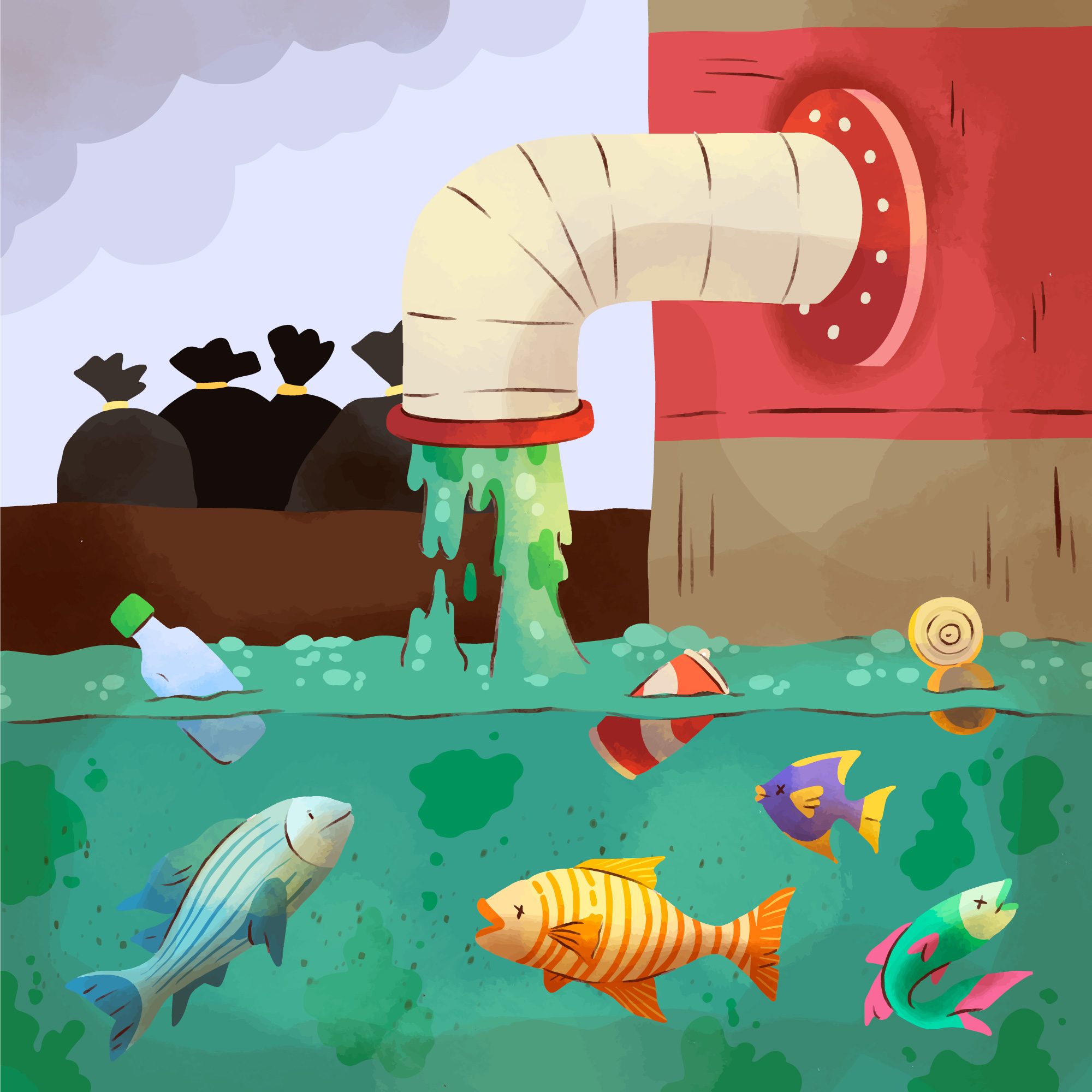
Across many regions, industrial discharge into rivers and streams continues to introduce chemical pollutants into water systems. These pollutants may include heavy metals, untreated chemical effluents, pharmaceutical residues, and other toxic substances that are introduced into the water bodies. These contaminants constitute risk factors for postpartum haemorrhage.
According to the United Nations Environment Programme, approximately 80 percent of wastewater globally is released into the environment without adequate treatment. In many low- and middle-income countries, industrial growth has outpaced the capacity of environmental monitoring and waste treatment systems, allowing pollutants to enter rivers that serve as major sources of domestic water.
Unsafe water affects communities in multiple ways. Chemical contaminants can contribute to chronic illnesses, weaken immune systems, and increase vulnerability to infections. For pregnant women, poor water quality can complicate pregnancy outcomes and contribute to health conditions that make childbirth more dangerous.
Within health systems, the availability of safe water is also essential for effective maternal care. Health facilities depend on reliable and uncontaminated water supplies for sanitation, infection prevention, surgical procedures, and emergency obstetric care. In situations where severe bleeding occurs during childbirth, known medically as postpartum haemorrhage, a clean and well-functioning health environment becomes critical for saving lives.
Professor Ann Beatrice Kihara, Co-Lead of the End Postpartum Haemorrhage Initiative and a leading obstetrician and gynaecologist, notes that environmental health and maternal health outcomes are closely interconnected.
“Protecting our water systems is part of protecting maternal health. When communities rely on polluted water sources, the risk of infections and other health complications increases. For mothers, this can worsen pregnancy outcomes and make emergencies like postpartum haemorrhage even more difficult to manage,” she explains.
Data from the World Health Organization shows that maternal infections remain a significant contributor to maternal deaths globally, particularly in settings where health systems face resource constraints. Ensuring safe water in communities and health facilities therefore becomes a vital component of improving maternal survival.
Addressing industrial pollution requires stronger environmental regulation, improved wastewater treatment infrastructure, and closer collaboration between governments, industry, and public health stakeholders. Protecting rivers and water systems is not only about environmental conservation, it is also about safeguarding the health of mothers, families, and communities.
Sources
United Nations Environment Programme, Global Wastewater Assessment Reports
World Health Organization, Maternal Mortality and Infection Prevention Data
UN Water Global Analysis and Assessment of Sanitation and Drinking Water
Image by wirestock on Freepik</a>