By PPH Foundation
As the world marks World Water Day, attention often turns to access to clean water for drinking and household use. Yet an equally important issue is how environmental pollution, particularly poorly managed solid waste, affects water safety and ultimately maternal health outcomes, including the prevention and management of Postpartum Haemorrhage, commonly known as PPH.
Poor sanitation and contaminated water can contribute to maternal infections that weaken women before or after childbirth. These complications can make it harder for health workers to effectively manage severe bleeding, which remains one of the leading causes of maternal death worldwide.
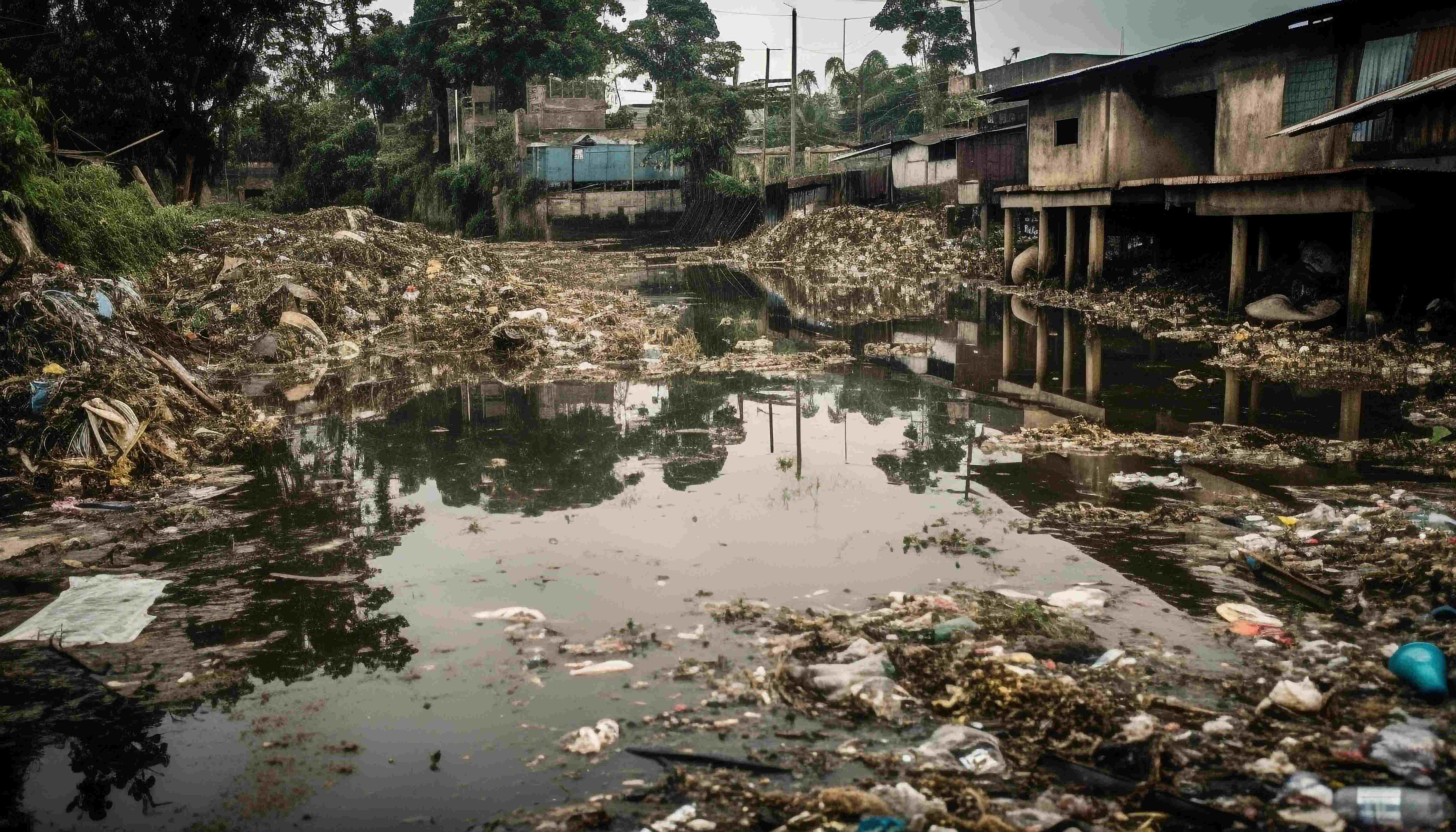
In many communities, especially in rapidly growing urban settlements and rural trading centres, solid waste is often dumped in open spaces, drainage channels, and riverbanks. Plastics, decomposing organic matter, medical waste, and other toxic materials accumulate in these environments. During heavy rains, the waste is washed into rivers, streams, and shallow wells that communities depend on for water, and has a great potential of causing maternal deaths.
Contaminated water creates serious health risks. It contributes to infections, weakens community health, and places additional strain on already stretched health systems. In maternity care, access to clean water is essential for maintaining hygiene during childbirth, sterilizing equipment, and managing obstetric emergencies such as PPH. Without safe water, the risk of infection during and after delivery increases significantly.
According to the World Health Organization, about 40 percent of health facilities globally lack basic water services, exposing millions of mothers and newborns to preventable infections during childbirth. In low- and middle-income countries, the situation is often worse in smaller rural facilities where emergency obstetric care is already limited.
Professor Moses Obimbo, Project Lead at the PPH Foundation, notes that safe environments and functioning health systems are closely linked in the fight against maternal deaths.
“Access to clean water and proper sanitation in health facilities is not a luxury. It is a critical component of safe childbirth. When facilities lack reliable water supply or communities rely on contaminated sources, the risk of infection and complications rises, making conditions such as postpartum haemorrhage even more dangerous,” he explains.
Globally, the UNICEF reports that over two billion people lack safely managed drinking water services. In communities where waste management systems are weak, pollution further reduces the quality of already scarce water resources.
Addressing solid waste management, therefore, becomes more than an environmental issue. It is a public health priority that directly affects maternal and newborn survival. Cleaner environments, protected water sources, and better waste disposal systems can help strengthen health systems and create safer conditions for mothers giving birth.
Sources
World Health Organization, Water, Sanitation and Hygiene in Health Care Facilities Global Report
UNICEF and WHO Joint Monitoring Programme for Water Supply, Sanitation and Hygiene
Kenya Ministry of Health, Maternal and Newborn Health Reports
Image by vecstock on Freepik</a>