By The PPH Foundation
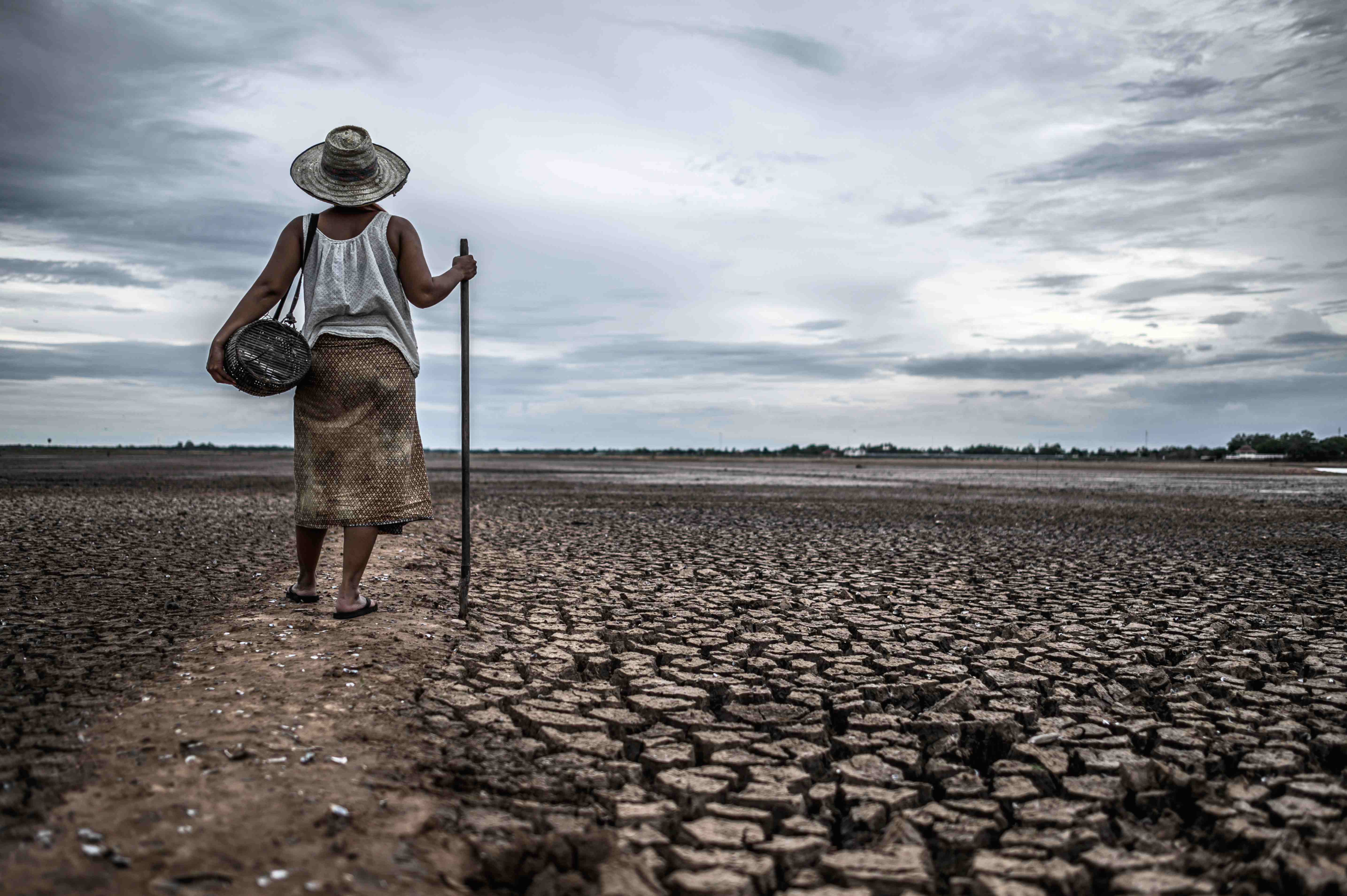
Kenya’s climate crisis is no longer distant theory; it is unfolding now and reshaping lives, livelihoods, and access to essential services. Prolonged drought across arid and semi-arid lands has displaced households, disrupted incomes, and forced families to migrate in search of water, pasture, and food. According to Kenya’s National Drought Management Authority, millions of people in northern and eastern counties are affected by drought conditions that increase food insecurity, water scarcity, and livelihood loss.
For women of reproductive age, migration in response to drought is not simply a relocation; it breaks continuity of care. A detailed UNFPA report on drought impacts in Turkana County shows this vividly. Before severe drought, health facilities in Loima Sub-county recorded an average of about 411 deliveries per month, with a skilled birth attendance rate of around 70 percent. During the height of drought in late 2022, deliveries plummeted to just 100 recorded births per month, a skilled birth attendance rate of only about 24.6 percent. This sharp drop reflects reduced access to facilities when families migrate or struggle with food insecurity and malnutrition.
These disruptions have critical implications for postpartum haemorrhage (PPH); the leading direct cause of maternal death in Kenya. The World Health Organization highlights that childbirths attended by skilled professionals drastically reduce the risk of severe complications such as PPH. When women deliver outside formal health settings due to displacement or food insecurity, their risk of PPH and maternal mortality increases substantially.
Drought also worsens nutritional status for pregnant women, compounding the clinical complexity of childbirth. In drought-affected areas like Turkana, acute malnutrition among pregnant and breastfeeding women has been reported at elevated levels, further elevating risks for both mother and baby. Forced migration often increases the physical burden on women as they walk long distances for water, food, or pasture; stressors that contribute to poor maternal outcomes.
Prof Julius Ogengo, Co-Lead of the End PPH Initiative, underscores the overlooked reality: “Drought-related migration fractures the continuity of care that pregnant women need. Without sustained access to antenatal services, skilled delivery and emergency response, the risk of PPH rises not because of clinical failure alone, but because women are simply too far from care when they need it most.”
To protect maternal health in the face of climate change, Kenya must integrate climate adaptation strategies with health system resilience. This includes mobile health teams deployed in drought-affected areas, targeted nutrition support for pregnant and postpartum women, strengthened referral systems during displacement, and climate-informed health planning that anticipates migratory patterns. Addressing the hidden pathway of climate displacement is essential if Kenya is to reduce preventable maternal deaths and uphold the right to safe childbirth for all women.
Sources:
• “Severe drought fuels malnutrition and reduces hospital deliveries among pregnant women in Kenya’s Turkana County,” UNFPA, 2022
• National Drought Management Authority reporting on drought impacts in Kenya, Reuters/2026
• World Health Organization maternal health guidance and coverage data.
<a href="https://www.freepik.com/free-photo/women-standing-dry-soil-fishing-gear-global-warming-water-crisis_5469321.htm">Image by jcomp on Freepik</a>