By The PPH Foundation
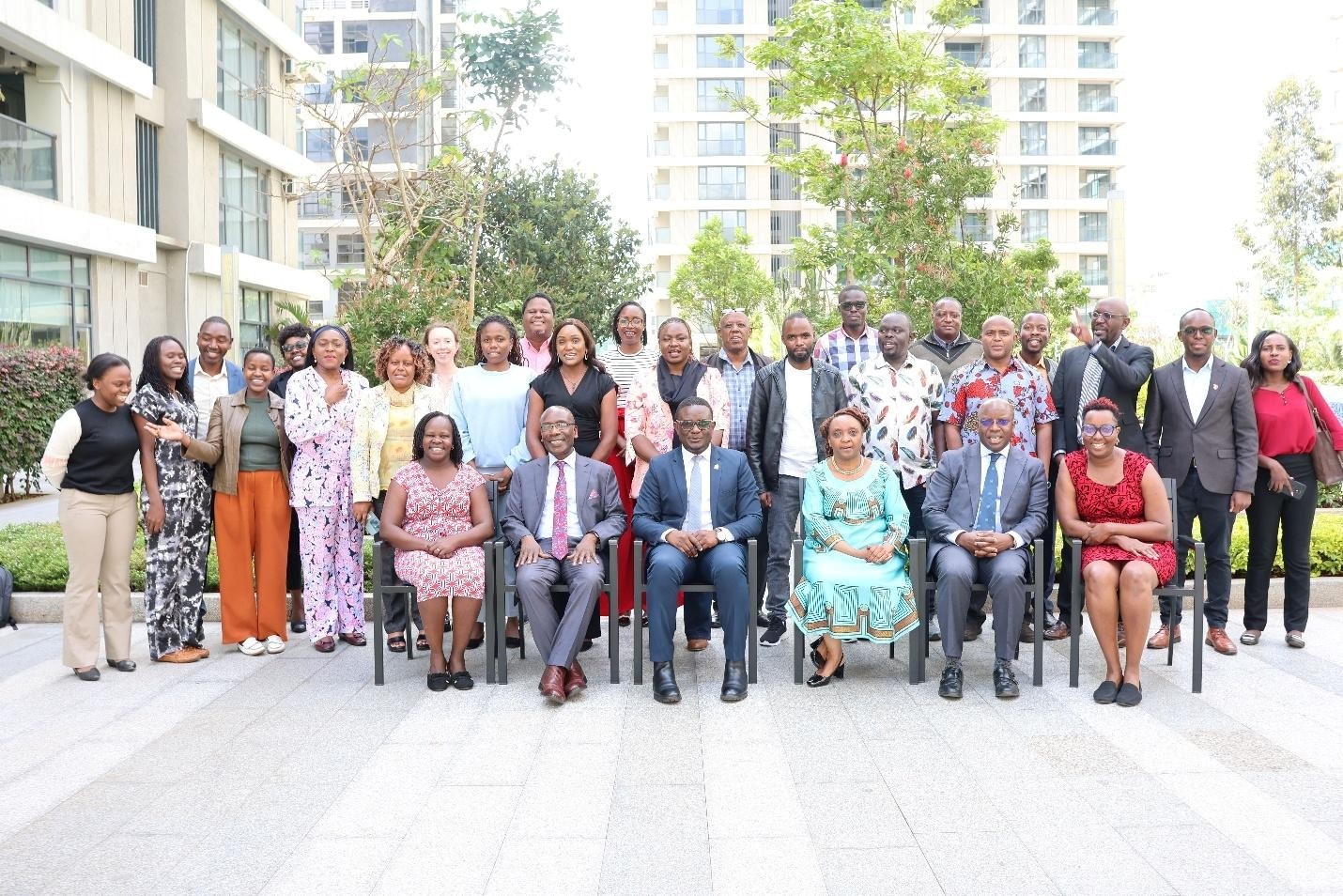
Kenya’s drive to eliminate postpartum haemorrhage is gaining unprecedented traction as governments, NGOs, humanitarian agencies and global health bodies join forces to close long-standing gaps in maternal care. The End PPH Initiative, a project of the PPH Foundation in collaboration with the University of Nairobi, the Kenya Obstetrical and Gynaecological Society, and the Midwives Association of Kenya, now anchors this national movement by coordinating partners around a single agenda to reduce preventable deaths.
Health experts say the impact of these partnerships is already visible. Prof Moses Obimbo, the project lead, notes that county–national collaboration has resulted in improved availability of emergency blood through the ROAMING blood and typing scheme, faster referral linkages and stronger community sensitisation efforts. Joint training programmes with NGOs and professional associations have also increased the number of frontline workers able to recognise and manage PPH early, a shift credited with reducing delays in high-burden counties.
Global health organisations have contributed technical expertise that is shaping protocols and data systems, while humanitarian partners have supported hard-to-reach counties with supplies, transport and emergency response. According to Dr Eunice Atsali, a midwife and a Co-Lead at the End PPH Initiative, these synergies are addressing barriers that no single institution could solve alone, from blood shortages to inconsistent clinical skills and weak community awareness. Prof Ann Beatrice Kihara adds that the shared approach has strengthened accountability, with partners committing to aligned targets and joint monitoring.
As preparations intensify for the next phase of the End PPH Initiative, stakeholders say the power of partnership lies in combining strengths, policy influence, clinical expertise, research capacity, resources and grassroots reach to accelerate national progress. With unified action, Kenya edges closer to a future where no mother is lost to postpartum haemorrhage.
Sources
WHO Global PPH Guidelines 2023,
UNFPA Maternal Health Briefs,
PPH Foundation records