By PPH Foundation
Every successful birth is a story of teamwork, skill, and compassion. At the heart of these stories are midwives and frontline health workers, the first line of defence against postpartum haemorrhage (PPH). Their quick thinking, hands-on care, and ability to stay calm under pressure often mean the difference between life and death.
According to the Kenya Ministry of Health, midwives attend more than half of all births in public hospitals and health centres across the country. This makes them central to maternal health outcomes, especially in rural and low-resource areas where doctors may not always be available. Their role extends beyond delivery to include prevention, early detection, and immediate management of PPH, the leading cause of maternal deaths worldwide.
Dr Eunice Atsali, a midwife and maternal health specialist with the PPH Foundation, says the latest WHO guidelines reaffirm the vital role of midwives. “Midwives are trained to act the moment bleeding begins, to administer uterotonics, measure blood loss objectively using calibrated drapes, and coordinate team response,” she explains. “Every second counts, and teamwork saves lives.”
Prof Moses Obimbo Madadi, Chair of the Department of Human Anatomy and Medical Physiology at the University of Nairobi, notes that the new WHO guidelines promote a bundle approach that depends on skilled midwifery. “PPH management is no longer a step-by-step process,” he says. “It’s about acting fast with a combination of proven measures: uterotonics, tranexamic acid, uterine massage, and fluid resuscitation, all guided by well-trained hands.”
Training and mentorship remain crucial in strengthening these lifesaving skills. Through initiatives by the Kenya Obstetrical and Gynaecological Society (KOGS) and the PPH Foundation, hundreds of midwives and nurses have been trained on the updated WHO recommendations, which also emphasise simulation-based learning and routine emergency drills. These exercises ensure that when an emergency strikes, every member of the team knows their role, from assessing the mother to activating referrals and managing shock.
Dr Frederick Kireki Omanwa, President of KOGS, stresses that continuous professional development is essential. “Empowered midwives are our strongest defence against maternal death,” he says. “They need not only knowledge but also reliable supplies, medicines, and functional support systems to act swiftly and confidently.”
However, challenges persist. Many lower-level facilities still face shortages of essential drugs, blood supplies, and trained personnel. In such cases, midwives often rely on innovation — using non-pneumatic anti-shock garments, mobilizing blood donors, and coordinating emergency transport through community networks. The Ministry of Health’s ongoing efforts to strengthen infrastructure and referral systems aim to close these critical gaps.
Community health workers and traditional birth attendants also play an important complementary role. By promoting antenatal visits, facility deliveries, and early recognition of complications, they help ensure that mothers reach skilled care in time.
Midwives are not just caregivers; they are educators, advocates, and lifesavers. Their presence ensures that even in the most resource-limited settings, hope and expertise meet at the moment of birth. As Kenya and the global health community work to implement the new WHO guidelines, one truth remains clear: every trained midwife is a bridge between danger and survival for mothers everywhere.
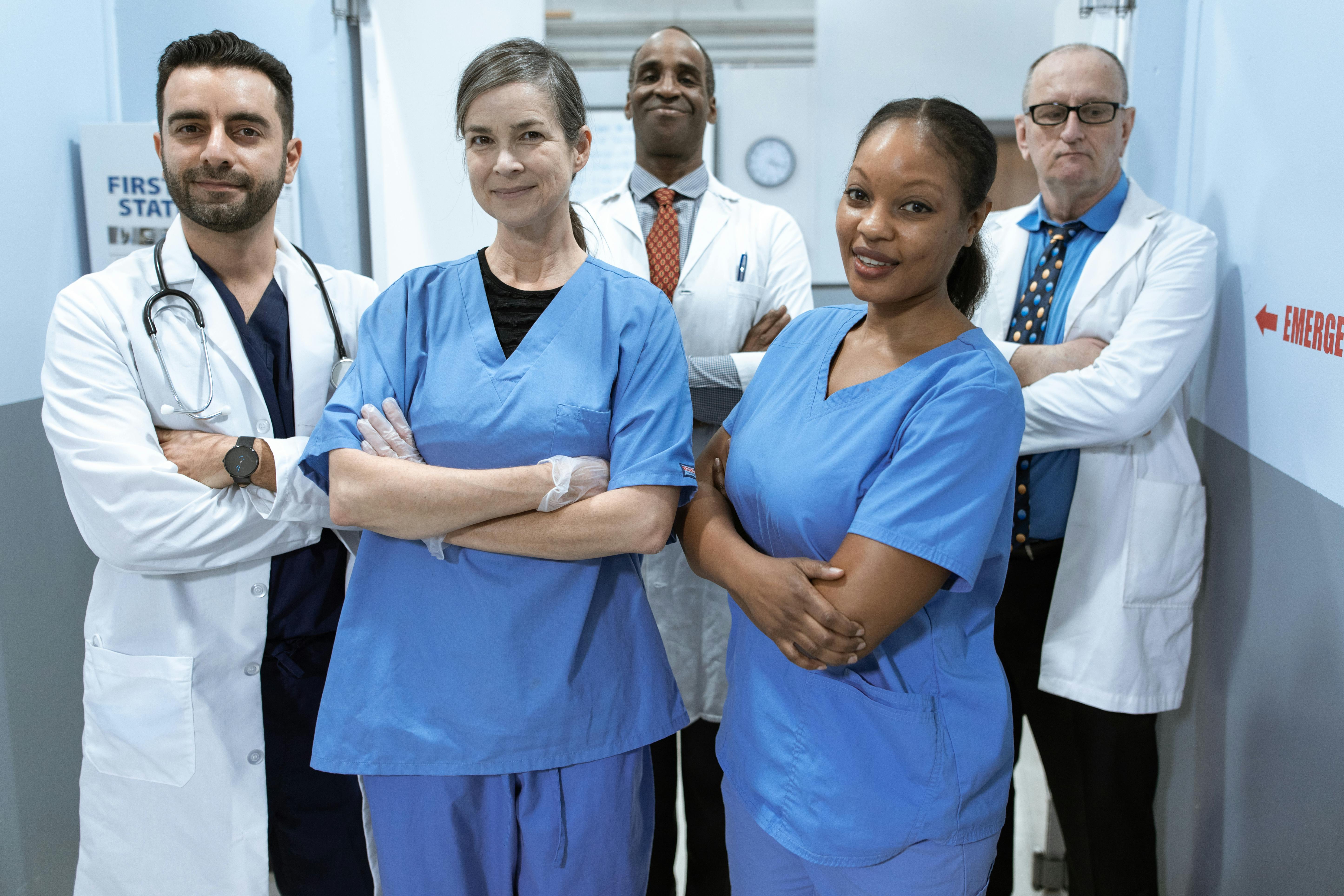
Photo by RDNE Stock project: https://www.pexels.com/photo/doctors-and-nurses-in-a-hospital-6129507/
Sources
- Kenya Ministry of Health, National Guidelines on Quality Obstetric and Perinatal Care, 2022
- World Health Organization, Midwifery Education and Training Report, 2023
- Kenya Obstetrical and Gynaecological Society, Maternal Health Training Review, 2023
- PPH Foundation Expert Interviews, 2024
- Frontiers in Reproductive Health, Maternal Survival and Skilled Birth Attendance in Kenya, 2022