By The PPH Foundation
A Persistent, Preventable Crisis
In Kenya, maternal mortality remains unacceptably high, with around 355 deaths per 100,000 live births, translating to roughly 6,000 preventable deaths annually. Postpartum haemorrhage (PPH) is the single largest contributor, responsible for about 40 percent of maternal deaths. Timely access to safe blood products is central to saving mothers in hemorrhagic emergencies, yet shortages and systemic gaps persist.
Prof Julius Ogeng’o, Co‑Lead of the End Postpartum Haemorrhage Initiative, explains:
“Blood access is not simply a clinical supply issue; it must be a family and community priority. When families plan ahead, know blood types, and engage with blood donation systems before delivery, we see faster responses and lives saved.”
A multicentre Kenyan study found that unavailability of blood products increased the odds of death from obstetric haemorrhage, and delays in accessing blood significantly worsened outcomes. Geographic and logistical challenges; including long distances to blood banks, poor transportation, and inconsistent supply, all contribute to delays that turn treatable bleeding into tragedy.
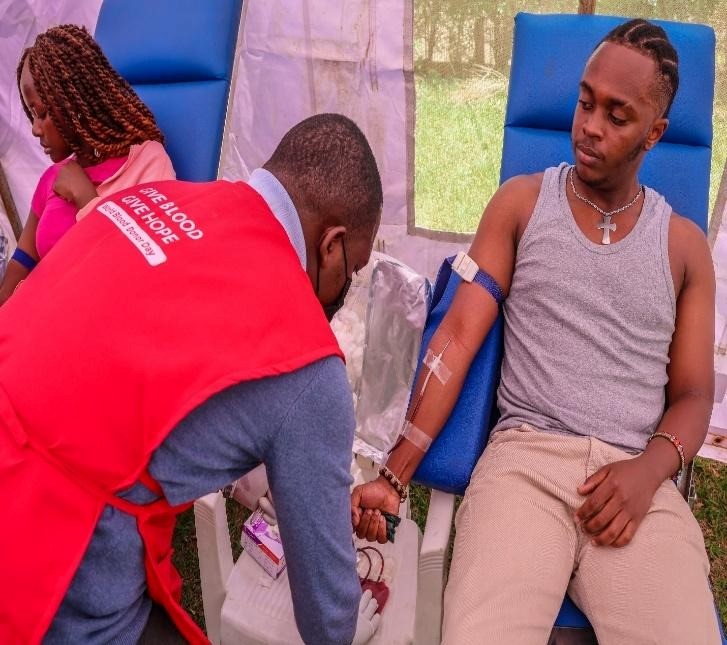
The ROAMING Blood Typing and Acquisition Scheme, piloted in multiple counties, offers a promising model. By mobilising community donors, collecting 875 units of safe blood in just ten days, and planning expansion with digital tools, the initiative has demonstrated that locally anchored blood systems can dramatically improve availability and responsiveness in rural and marginalized settings.
The Family’s Role in Preparedness
Preparing for childbirth goes beyond antenatal checkups. Families can:
• Know the mother’s blood type and identify willing donors.
• Engage with local blood drives before the due date.
• Support rapid transport plans in emergencies.
When families are aware and prepared, the “third delay”; receiving adequate care once at a facility, is mitigated, especially when blood is available without long waits or replacement requirements.
Ending deaths from PPH demands integrated action from families, communities, health systems, and policymakers. By treating blood access as a collective responsibility rather than a last‑minute scramble, Kenya can reduce preventable maternal deaths and ensure that every mother has support before, during, and after childbirth.
Sources
Hidden toll of maternal mortality in Kenya, WHO/PMNCH, 2025.
Blood availability and maternal mortality case study in Kenya. Journal of Global Surgery.
ROAMING Blood Typing and Acquisition Scheme breakthrough reporting. The Star, 2025.