By The PPH Foundation
Global solidarity is strengthening the fight against postpartum haemorrhage (PPH), one of the leading causes of maternal mortality worldwide. Annual campaigns such as World Postpartum Haemorrhage Day, celebrated on 5 October, are galvanizing advocacy, influencing policy, and driving coordinated action across countries to end preventable maternal deaths.
In low- and middle-income countries, these global initiatives are already translating into practical action. In Bangladesh, digital decision-support tools for midwives that integrate PPH recognition algorithms improve early detection and response. In Nigeria, Uganda, Ghana, Malawi, Nepal, Pakistan, and Sierra Leone, pilot programmes combining supply chain improvements, midwifery training, and community engagement have significantly reduced PPH-related mortality.
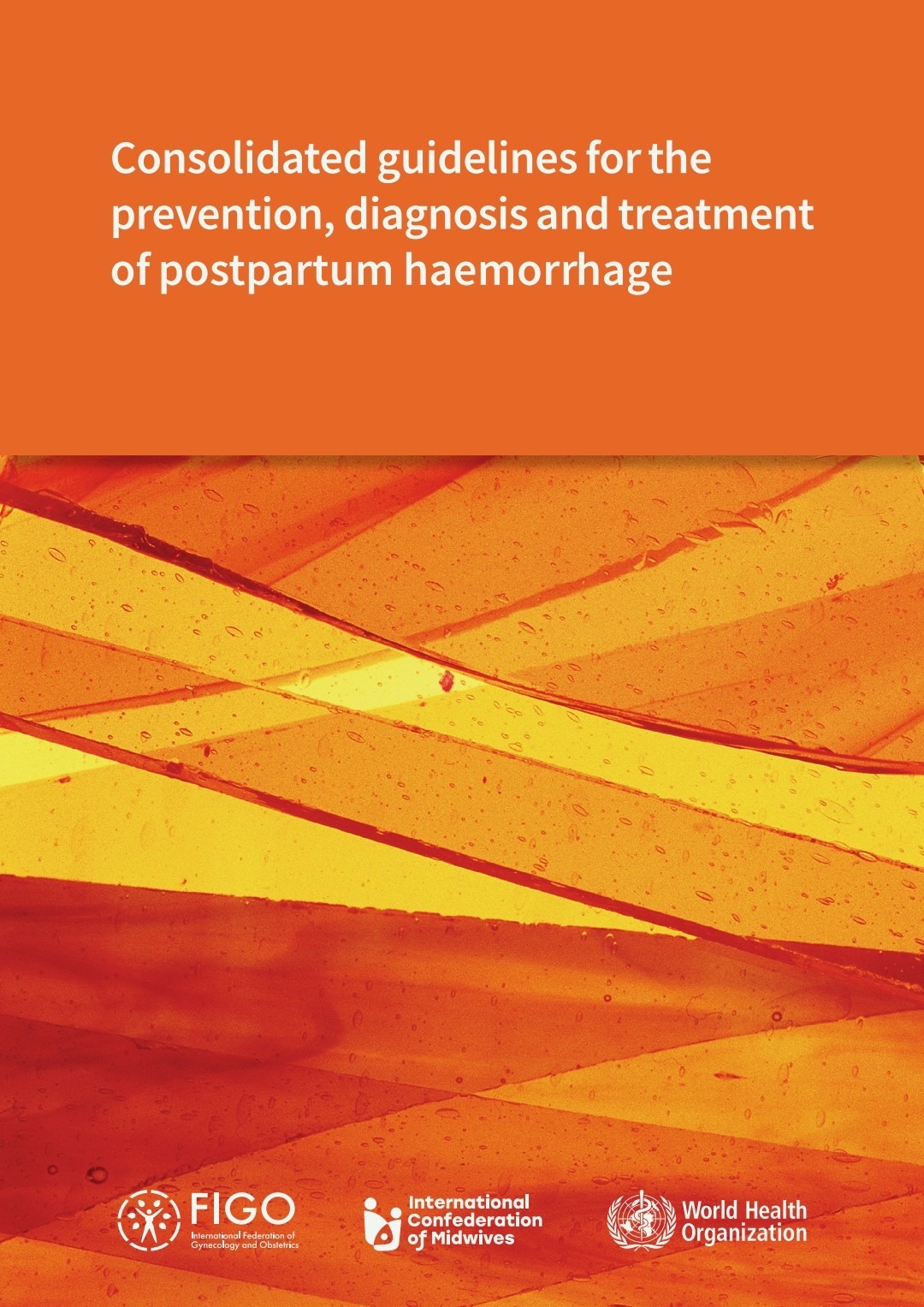
International organisations such as FIGO and the International Confederation of Midwives (ICM) have launched consolidated global clinical guidelines that harmonize best practices for the prevention, rapid diagnosis, and treatment of PPH. High-income countries like the United States, United Kingdom, Canada, and Australia have adopted national protocols, risk screening, and midwifery-led care that have drastically reduced maternal haemorrhage deaths.
At the PPH Foundation, global solidarity efforts align closely with national objectives. The Foundation works with partners such as the University of Nairobi, Kenya Obstetrical and Gynaecological Society, and Midwives Association of Kenya to contextualize global recommendations and translate them into local practice.
Prof Moses Obimbo, Project Lead at the End PPH Initiative, explains that “global advocacy through dedicated days and harmonized clinical guidance gives our work traction. It elevates PPH from a clinical emergency to a national policy priority.”
Prof Julius Ogengo, Co-Lead of the End PPH Initiative, adds that “campaigns like World PPH Day hold policymakers accountable, align national strategies with best practices, and ensure innovations reach frontline providers, ultimately saving lives.”
Prof Ann Beatrice Kihara, also Co-Lead of the End PPH Initiative and formerly the president of FIGO, notes that “global solidarity inspires local action. By combining international lessons with community engagement in Kenya, we are able to implement evidence-based interventions that reduce maternal deaths and strengthen health systems.”
Through shared tools, data frameworks, and advocacy platforms, global campaigns like World PPH Day are turning awareness into measurable outcomes, showing that collaborative action across borders can save lives.
Sources:
• World Postpartum Haemorrhage Day commentary and initiatives 2025 (pmnch.who.int)
• International Confederation of Midwives on World PPH Day (internationalmidwives.org)
• FIGO global guidelines and campaign launch 2025 (figo.org)
• Global maternal haemorrhage trends and country examples (bmcpregnancychildbirth.biomedcentral.com)