By The PPH Foundation
Behind every statistic on postpartum haemorrhage lies a deeply human story. While medical interventions can save a mother’s life, the emotional and social effects of the experience often linger long after the bleeding stops. Families are changed, livelihoods disrupted, and communities shaken by the loss or trauma that postpartum haemorrhage can bring.
Prof Moses Obimbo Madadi, the PPH Foundation Project Lead, notes that the psychological aftermath of postpartum haemorrhage is often underestimated. “A woman who survives heavy bleeding may face prolonged recovery, fear of future pregnancies, or symptoms of post-traumatic stress,” he says. “These emotional wounds require as much care as the physical ones.”
The World Health Organization’s updated postpartum haemorrhage guidelines (2023) now acknowledge the importance of post-event follow-up, including emotional and mental health care. For the first time, WHO calls for structured debriefing after a severe PPH event, not just for the mother, but also for her caregivers and family, to address trauma, anxiety, and fear of recurrence. This marks a major step toward a more holistic view of maternal health.
Studies by WHO and The Lancet Global Health show that women who survive severe postpartum haemorrhage often experience anxiety, depression, or guilt, especially when complications affect their ability to breastfeed or care for their newborns. Some describe flashbacks of the experience, feelings of helplessness, or fear that it might happen again.
Dr Eunice Atsali, midwife and maternal health expert with the PPH Foundation, says recovery must be viewed holistically. “When a woman nearly loses her life after giving birth, it changes her perspective,” she says. “She may struggle with fatigue, emotional distress, or financial strain from prolonged hospitalization. Supporting her means involving her family, ensuring follow-up care, and offering psychological counseling.”
The ripple effects extend far beyond the mother. In many Kenyan households, a maternal health crisis quickly becomes a financial burden. Families often sell assets or take loans to cover emergency care and transport costs. When a mother dies, the family loses not only her presence but also the stability she provides. Children may drop out of school, and newborns face increased risks of malnutrition or neglect.
Dr Frederick Kireki Omanwa, President of the Kenya Obstetrical and Gynaecological Society, emphasizes that community follow-up is essential to the WHO’s new continuity-of-care model. “Recovery does not end when bleeding stops,” he says. “It continues through emotional healing, social support, and long-term health follow-up. Every survivor should be supported to rebuild her life and confidence.”
Cultural perceptions also influence how women cope after postpartum haemorrhage. In some communities, complications during childbirth are still viewed with stigma, and survivors may face isolation or blame. Experts stress the importance of public education to normalize discussions about maternal health and encourage families to offer emotional and social support rather than judgment.
The PPH Foundation, in collaboration with county health departments and local partners, has begun integrating psychosocial support, family counseling, and community education into its outreach programs. These efforts align with WHO’s call for health systems to embed mental health support into maternal care packages, ensuring that mothers heal in body and mind.
Every woman who survives postpartum haemorrhage carries a story of courage. Beyond the clinical statistics are lives that can heal fully when communities embrace mothers with empathy, understanding, and continued care.
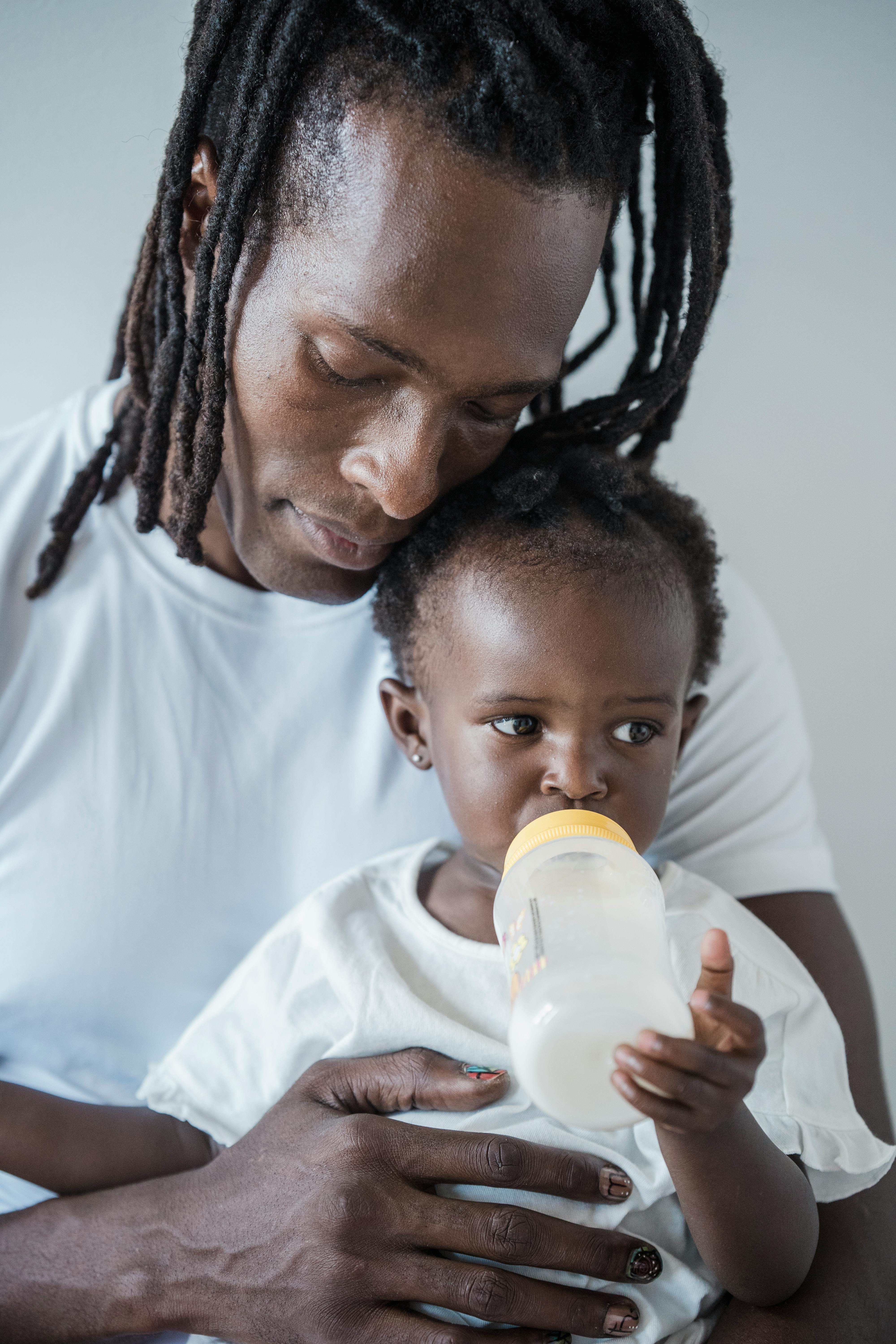
Photo by Sasha Kim: https://www.pexels.com/photo/a-man-carrying-a-child-8432482/
Sources
• World Health Organization, Updated Recommendations on the Prevention and Treatment of Postpartum Haemorrhage, 2023
• World Health Organization, Maternal Morbidity and Mental Health Report, 2023
• The Lancet Global Health, Psychosocial Outcomes After Severe Maternal Complications, 2022
• Kenya Ministry of Health, Maternal Health and Community Support Framework, 2022
• Kenya Obstetrical and Gynaecological Society, Maternal Mortality and Family Impact Study, 2023
• PPH Foundation Community Engagement Reports, 2024