By The PPH Foundation
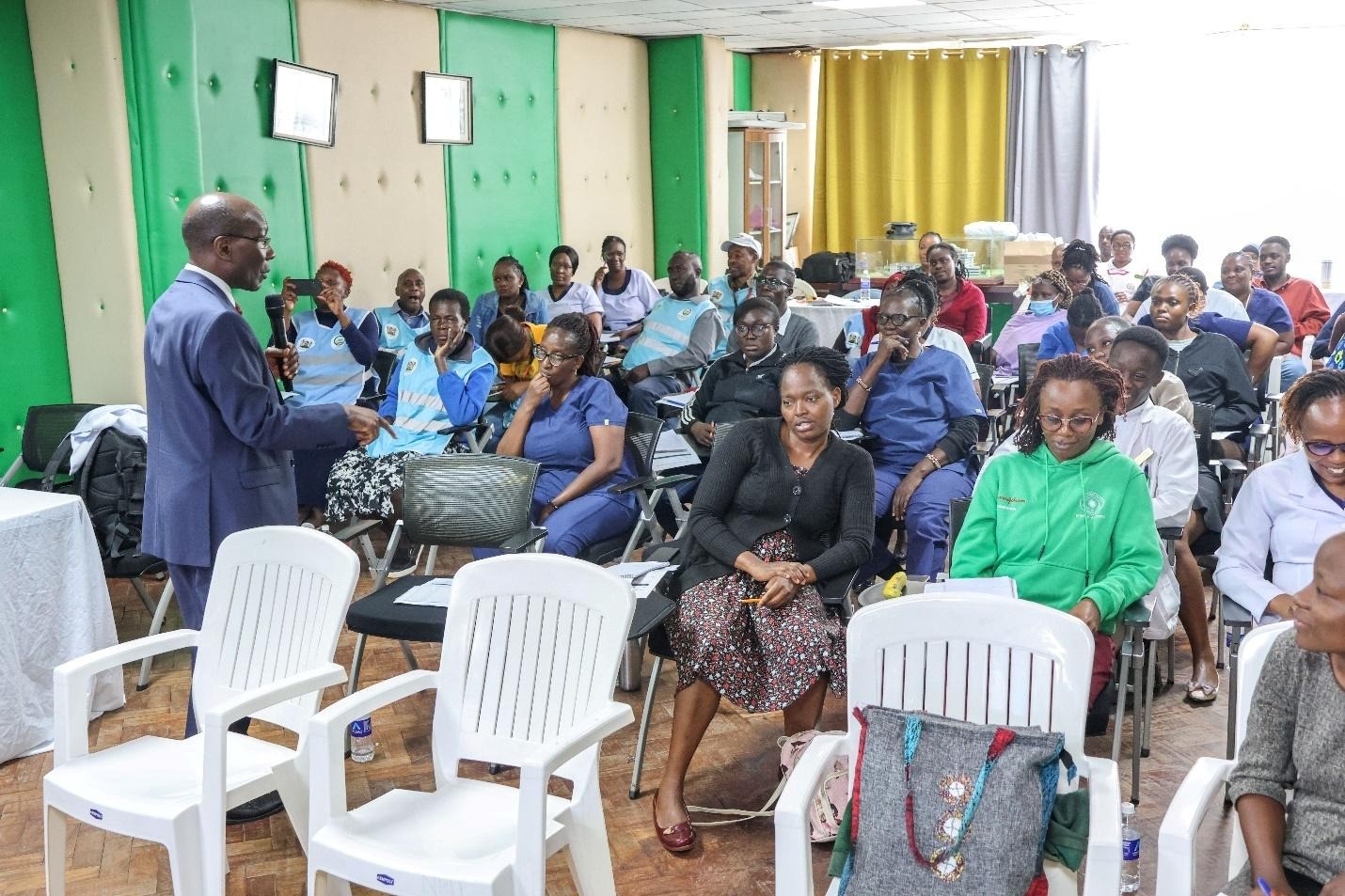
Postpartum haemorrhage (PPH) continues to be one of the leading causes of maternal mortality worldwide, claiming thousands of lives each year despite being largely preventable. Rapid response and timely intervention are critical, yet health workers often face high-pressure situations with limited resources, particularly in rural and low-resource settings. The End PPH Initiative is addressing this challenge by equipping the next generation of midwives, nurses, and obstetricians with the skills and confidence to save lives.
Central to this effort is the PPH School, a pioneering program that will combine traditional training with innovative simulation-based learning and extended reality (XR) technologies. Trainees will be exposed to realistic childbirth scenarios where they practice detecting early signs of PPH, administering lifesaving interventions, and coordinating emergency responses. These virtual simulations will allow health workers to experience high-stress situations safely, sharpening their decision-making, teamwork, and technical proficiency.
“Preparedness saves lives,” says Prof Moses Obimbo, Project Lead at the PPH Foundation and Secretary of the Kenya Obstetrical and Gynaecological Society. “By giving health workers practical experience in managing PPH emergencies, we will reduce response times and improve outcomes. The skills they gain in simulation will translate directly into real-world situations, helping prevent maternal deaths.”
The PPH School will also emphasize evidence-based protocols, including the use of uterotonics, tranexamic acid, calibrated drapes for accurate blood loss measurement, and first-response bundles. Continuous assessment will ensure that trainees are proficient not only in technical skills but also in communication, leadership, and teamwork; critical components when seconds count during a maternal emergency.
Beyond technology, the program will foster a culture of continuous learning. Midwives and nurses who undergo the training will contribute insights from their frontline experiences, feeding back into curriculum development and national guidelines. This will ensure that the training remains practical, context-specific, and responsive to evolving challenges in maternal health.
Through initiatives like the PPH School, the End PPH Initiative will be creating a new generation of health workers who are not only skilled but also resilient, confident, and prepared to act decisively when lives are at stake. By investing in training today, the program will be building a safer future for mothers, families, and communities across Kenya and beyond.
Sources:
World Health Organization. “Postpartum haemorrhage: Prevention and treatment.” WHO, 2023.
WOMAN Trial Collaborators. “Effect of tranexamic acid on death, hysterectomy, and other morbidities in women with post-partum haemorrhage.” The Lancet, 2017.
E-MOTIVE Trial. “Early detection and treatment of postpartum haemorrhage reduces severe outcomes.” Journal of Obstetrics and Gynaecology of Eastern and Central Africa, 2022.
International Confederation of Midwives. “Midwives’ role in preventing and managing postpartum haemorrhage.” 2021.