
By The PPH Foundation
Climate change is increasingly emerging as an indirect but significant threat to maternal health. Rising global temperatures, unpredictable rainfall patterns, and intensified flooding are altering environmental and biological conditions that influence pregnancy outcomes. Among the most concerning developments is the growing contamination of water systems with microplastics and other pollutants that may affect hormonal regulation, inflammatory pathways, and overall maternal wellbeing.
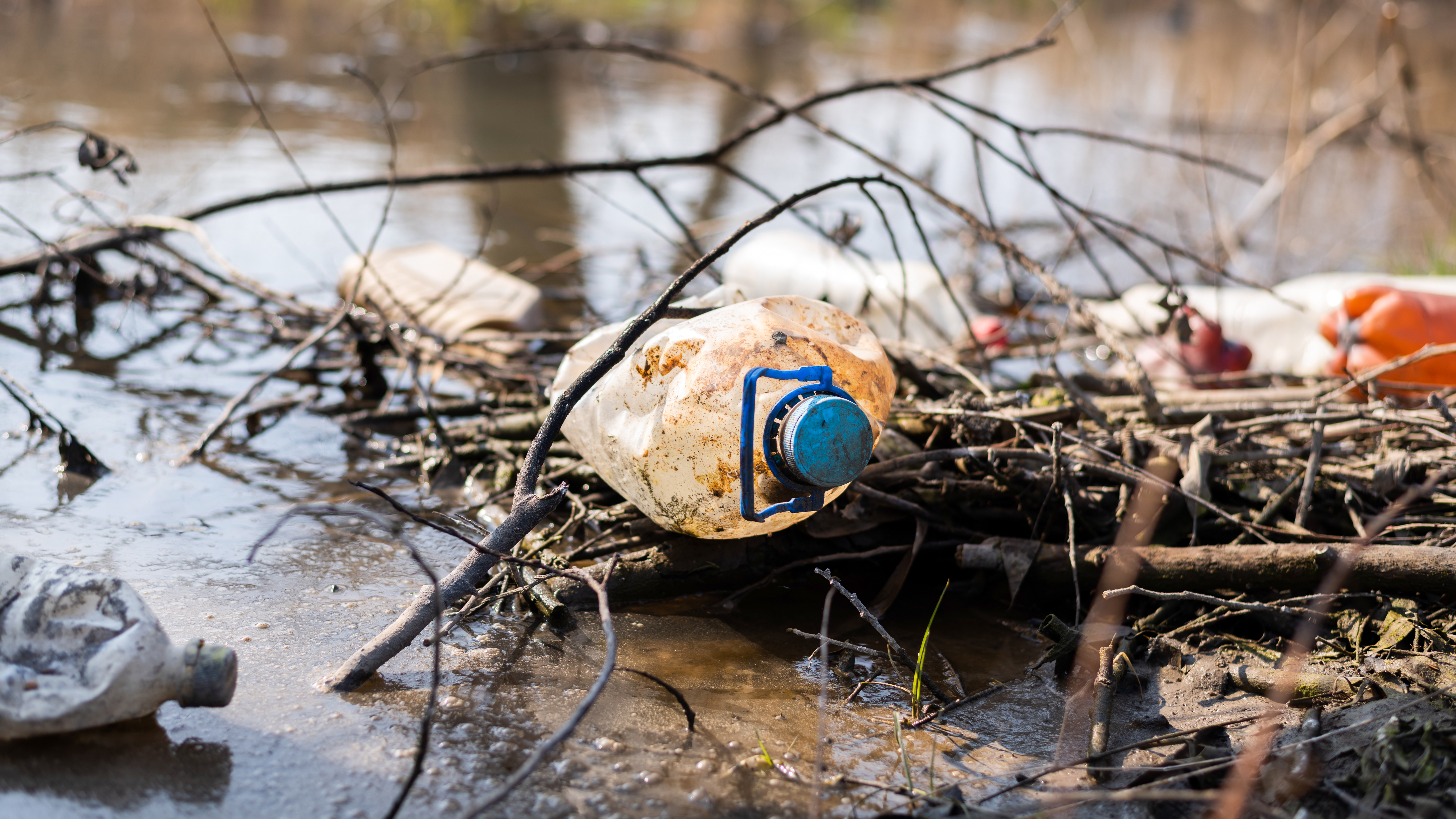
Heavy rainfall and flooding events are accelerating the movement of microplastics from urban waste, agricultural land, and industrial sites into rivers, groundwater systems, and drinking water sources. Microplastics are tiny plastic particles, usually smaller than five millimetres, that originate from degraded plastic products, synthetic textiles, and environmental waste breakdown.
According to environmental research published in Science of The Total Environment and the World Health Organization environmental health assessments, microplastics have been detected in freshwater ecosystems, bottled water, and food chains. These particles can enter the human body through ingestion of contaminated water and food, and emerging toxicology studies suggest that chronic exposure may trigger inflammatory responses and endocrine disruption.
Hormonal regulation plays a critical role in pregnancy and childbirth. Microplastic-associated chemicals such as phthalates and bisphenol compounds are known endocrine disruptors that can interfere with estrogen and progesterone signalling pathways. Disruption of these hormones can contribute to complications including abnormal placental development, hypertensive disorders, and labour dysfunction.
Inflammation is another biological pathway of concern. Research indicates that microplastic exposure may activate immune responses that increase oxidative stress within maternal tissues. Chronic inflammation during pregnancy has been associated with anaemia, vascular dysfunction, and impaired tissue recovery after childbirth. These conditions can reduce the body’s ability to tolerate blood loss during delivery, increasing vulnerability to postpartum haemorrhage (PPH), the leading cause of maternal mortality globally.
Flooding, which is becoming more frequent due to climate change, amplifies these risks by damaging sanitation systems and contaminating drinking water supplies. In many low-resource and vulnerable settings, floodwaters mix with sewage, agricultural chemicals, and industrial waste, creating a complex toxic exposure environment for pregnant women.
Public health data shows that climate-related disasters disproportionately affect women and children. According to the Intergovernmental Panel on Climate Change, climate variability is expected to increase exposure to environmental pollutants, food insecurity, and infectious disease outbreaks, all of which can worsen maternal health outcomes. Fragile health systems further magnify these risks when disasters disrupt antenatal care, emergency obstetric services, and blood supply chains.
Professor Julius Ogengo, Co-Lead of the End PPH Initiative, notes that climate change is becoming a new frontier in maternal health risk. “Postpartum haemorrhage is not only a clinical emergency. It is also influenced by environmental and systemic vulnerabilities. When climate change increases flooding, pollution, and biological stressors, it indirectly expands the conditions under which maternal bleeding complications may occur,” he says.
Prof Ogengo emphasizes that addressing maternal mortality in the 21st century requires integrating climate resilience into health systems. He argues that water safety, waste management, and environmental monitoring must become part of maternal health protection strategies.
“Future maternal health programmes must recognise that women’s survival during childbirth is linked not only to clinical care but also to environmental safety, climate adaptation, and sustainable water systems,” he adds.
Global evidence increasingly supports the need for climate-responsive maternal health policies. Strengthening flood protection infrastructure, reducing plastic pollution, improving water sanitation, and ensuring continuity of obstetric services during climate disasters are emerging priorities.
As climate change intensifies, the intersection between environmental pollution and maternal health will become more pronounced. Protecting pregnant women from microplastic contamination, flooding risks, and climate-related environmental stressors is therefore essential in the global effort to end preventable postpartum haemorrhage and maternal deaths.
Sources
World Health Organization – Environmental Health and Climate Change
Intergovernmental Panel on Climate Change Reports
Science of The Total Environment – Microplastics and Human Exposure Studies
PubMed Research on Endocrine Disruptors and Pregnancy Outcomes
United Nations Environment Programme – Plastic Pollution and Ecosystem Health
<a href="https://www.freepik.com/free-photo/river-coast-littered-with-plastic-bottles_25710091.htm">Image by frimufilms on Freepik</a>