By The PPH Foundation
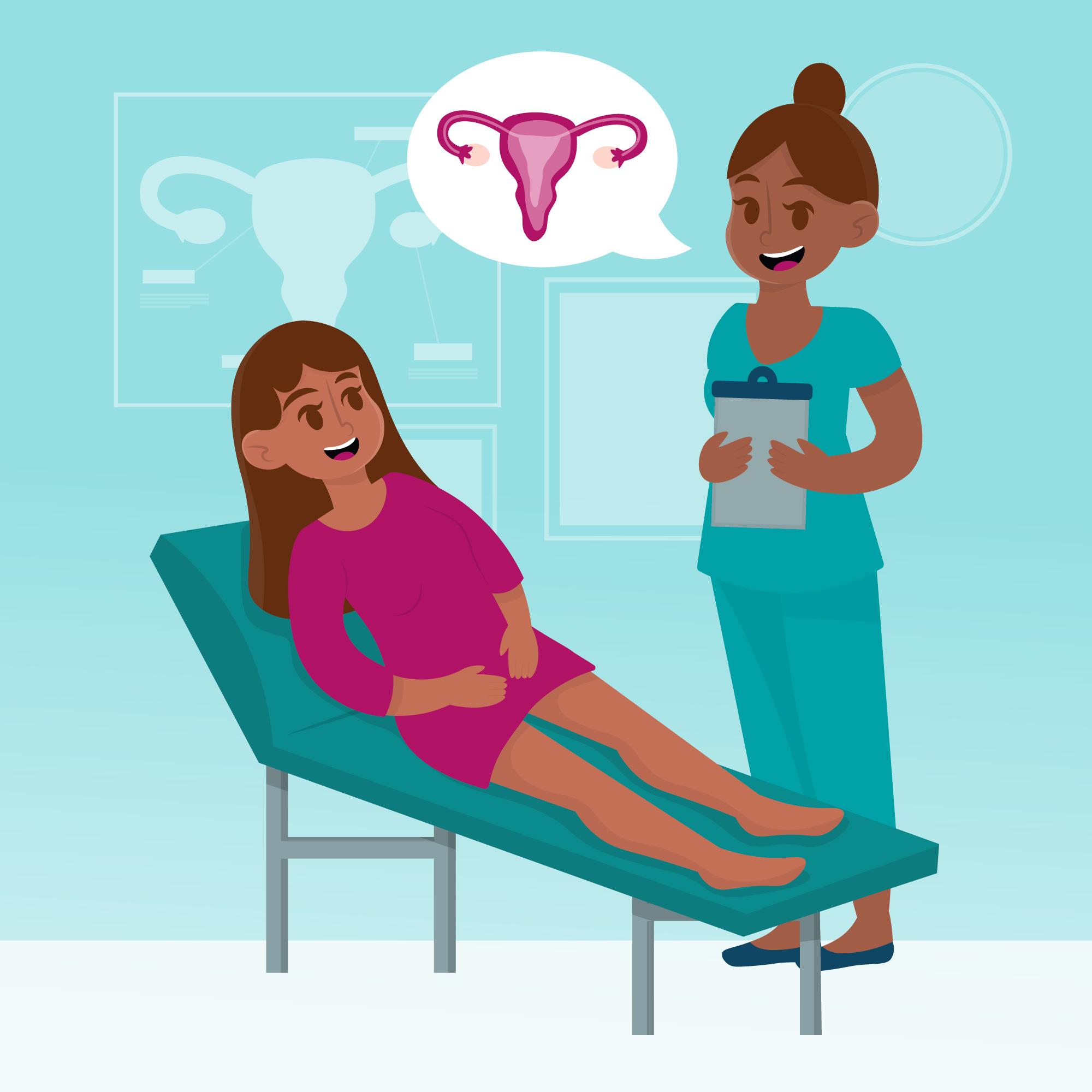
Missed opportunities during antenatal care often translate into emergencies in the labour ward. When cervical screening is excluded from routine antenatal services, women may progress through pregnancy with undetected conditions that complicate delivery and increase PPH risk. Integration of screening into antenatal care directly strengthens early risk identification and birth preparedness.
Global guidelines confirm that cervical screening during pregnancy is safe and effective. When abnormalities are detected, clinicians can plan delivery at appropriate facilities, prepare blood products, and deploy active management strategies to prevent postpartum haemorrhage. Integration also improves continuity of care, reducing the likelihood of women presenting late with unmanaged risk.
Dr Kireki Omanwa, President of KOGS and Co-Lead of the End Postpartum Haemorrhage Initiative, emphasises that “every antenatal visit is a chance to prevent bleeding at birth. Integration makes prevention routine, not exceptional.” The End PPH Initiative, implemented by the PPH Foundation in collaboration with the University of Nairobi, KOGS and the Midwives Association of Kenya, supports practical integration models suited to resource-limited settings.
Embedding screening within antenatal care transforms routine visits into powerful tools for preventing postpartum haemorrhage.
Sources
World Health Organization, Cervical screening during pregnancy
UNFPA, Integrated maternal health services
BMC Women’s Health, Missed opportunities in antenatal screening
<a href="https://www.freepik.com/free-vector/creative-cartoon-gynecology-consultation_10179369.htm">Image by freepik</a>