By The PPH Foundation
Food insecurity and maternal malnutrition are quietly fuelling preventable deaths from postpartum haemorrhage. As economic pressures, climate shocks, and rising food costs affect households across Kenya, many pregnant women struggle to meet their nutritional needs. The result is widespread anaemia, weakened immunity, and increased vulnerability during childbirth.
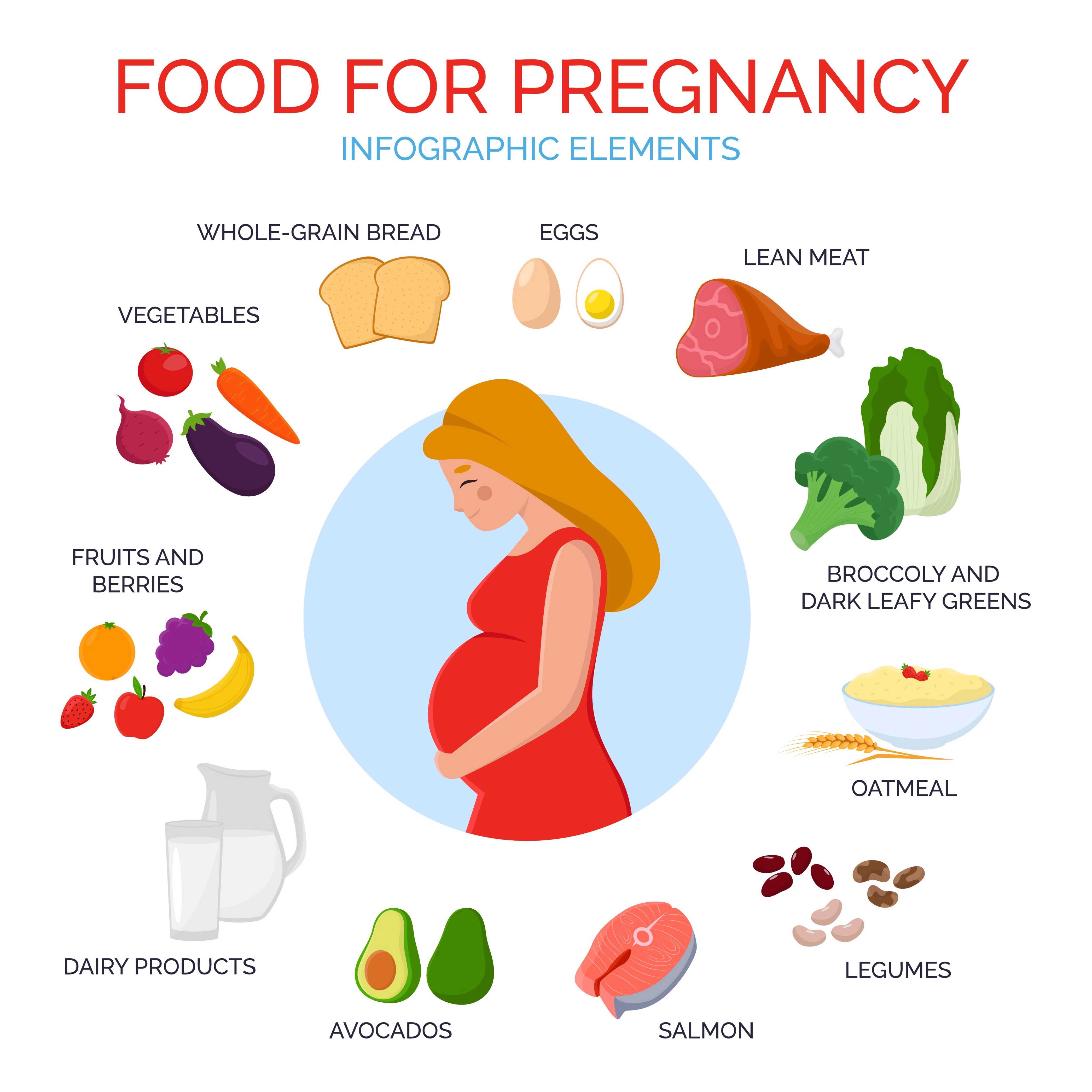
When women lack access to sufficient iron rich foods, proteins, and micronutrients, their bodies are less prepared for the demands of pregnancy and delivery. Poor nutrition reduces blood volume and compromises uterine muscle strength, increasing the likelihood of excessive bleeding after birth. In food insecure settings, postpartum haemorrhage is more likely and more deadly.
Dr Eunice Atsali, a midwife and Co-Lead of the End Postpartum Haemorrhage Initiative, explains that “malnutrition is not just a social issue, it is a direct obstetric risk. Women who do not eat well throughout pregnancy are far less able to withstand blood loss during delivery.” She adds that addressing food insecurity must be seen as part of maternal health planning, not a separate development issue.
Climate related disruptions have further strained maternal nutrition. Droughts, floods, and displacement interrupt food production and access to antenatal services, delaying nutrition support and screening. These disruptions increase the number of women arriving at health facilities already anaemic and at high risk of severe postpartum bleeding.
The End Postpartum Haemorrhage Initiative, in collaboration with the University of Nairobi, the Kenya Obstetrical and Gynaecological Society, and the Midwives Association of Kenya, continues to highlight the link between social vulnerability and maternal mortality. Ending deaths from postpartum haemorrhage requires addressing the root causes of malnutrition alongside strengthening health systems.
Reducing PPH is not only about managing emergencies. It is about ensuring that every woman enters pregnancy nourished, supported, and resilient enough to survive childbirth.
Sources
World Health Organization, Food insecurity and maternal health
Kenya Demographic and Health Survey, Nutrition and anaemia
FAO, Climate change and food security
UNFPA, Social determinants of maternal mortality
<a href="https://www.freepik.com/free-vector/diet-pregnant-mothers-flat-vector-illustrations-set_45256017.htm">Image by Kampus on Freepik</a>