By The PPH Foundation
Gender-based violence (GBV) remains a pervasive challenge in Kenya, with far-reaching consequences for women’s health. The PPH Foundation, in collaboration with the Univeristy of Nairobi, the Kenya Obstetrical and Gynaecological Society, and the Midwives Association of Kenya, draws attention to an often-overlooked impact: the increased risk of postpartum haemorrhage (PPH) among survivors of GBV. While PPH is widely recognised as a leading cause of maternal deaths, its intersection with violence against women highlights the need for integrated responses that address both medical and social determinants of maternal health.
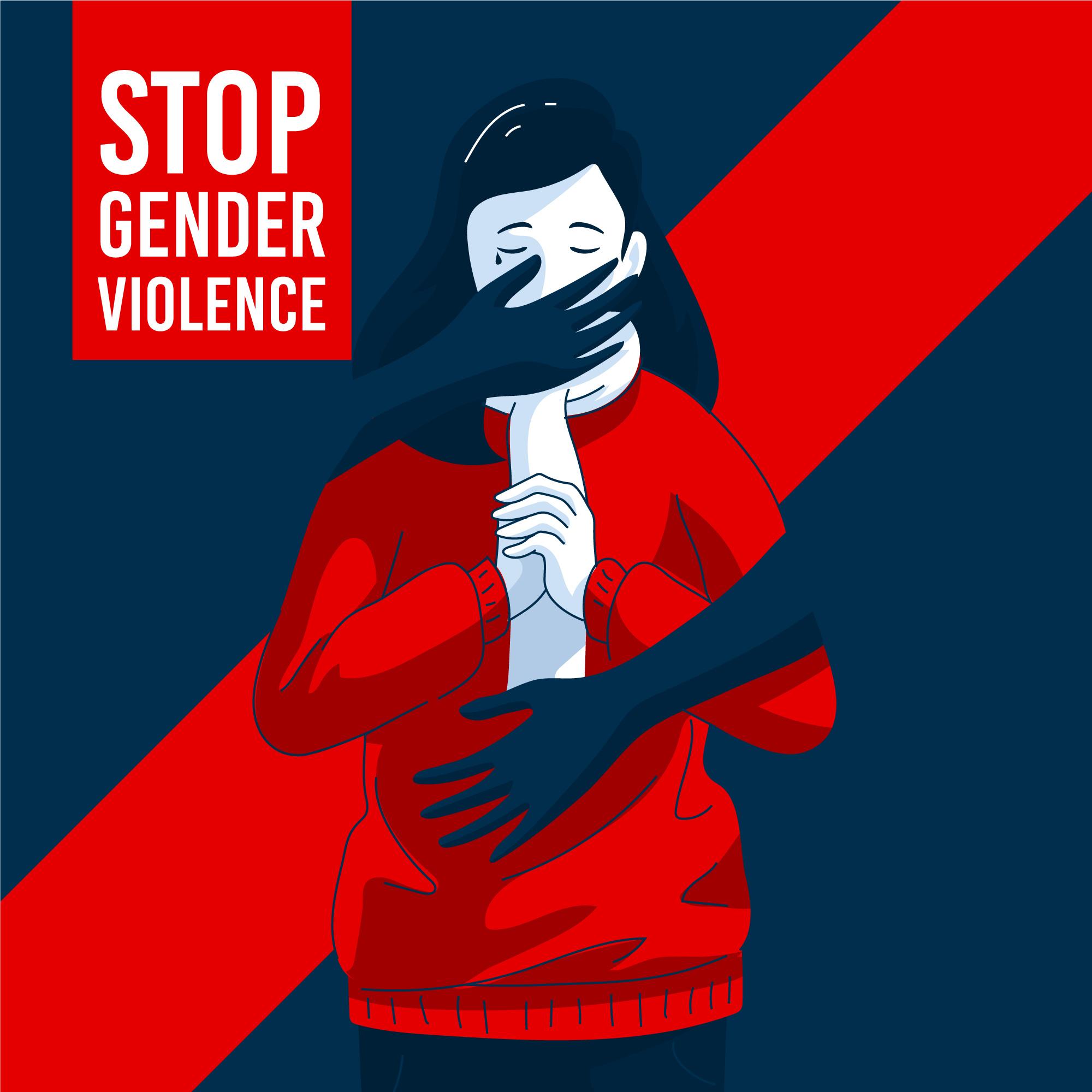
Physical and sexual violence during pregnancy can directly contribute to complications that increase PPH risk. Trauma to the abdomen or reproductive organs may lead to uterine injury, placental complications, or preterm labour, all of which heighten the likelihood of severe bleeding during or after childbirth. Psychological stress and fear associated with GBV can also negatively affect maternal health, weakening the body’s response to complications and impairing recovery.
Beyond direct health impacts, GBV often limits a woman’s access to essential maternal care. Survivors may face isolation, fear of judgment, or control from abusive partners, preventing timely antenatal visits, skilled birth attendance, or emergency care. Delays in accessing care are a key risk factor for severe PPH, underscoring how social and structural factors compound medical vulnerabilities.
“Preventing PPH is not just about clinical interventions,” says Prof Moses Obimbo, Project Lead at the PPH Foundation. “It requires addressing the social realities that put women at risk, including gender-based violence. Women who are safe, supported, and empowered are more likely to survive childbirth.”
The Foundation calls for coordinated action from health systems, civil society, law enforcement, and communities. Health workers should be trained to identify GBV survivors, provide trauma-informed care, and ensure access to emergency obstetric services. Community awareness campaigns should address both GBV prevention and maternal health, empowering women to seek help and support.
Ending preventable maternal deaths requires recognising that PPH is not only a clinical issue but also a human rights and social justice issue. By understanding the link between GBV and PPH, Kenya can implement holistic strategies that protect women before, during, and after childbirth, ensuring that every mother survives.
Sources:
- World Health Organization. “Maternal mortality.” WHO, 2025. https://www.who.int/news-room/fact-sheets/detail/maternal-mortality
- UNFPA. “Gender-Based Violence and Maternal Health.” UNFPA, 2024. https://www.unfpa.org/resources/gender-based-violence-and-maternal-health
- WHO. “Violence against women during pregnancy: health impacts and interventions.” WHO, 2023. https://www.who.int/publications/i/item/violence-against-women-during-pregnancy
- Kenya Ministry of Health. “National Guidelines on Maternal and Newborn Health,” 2025.
- The Lancet Global Health. “The impact of intimate partner violence on maternal health outcomes,” 2022. https://www.thelancet.com/journals/langlo/article/PIIS2214-109X(22)00256-0/fulltext
- Photo by freepik https://www.freepik.com/free-vector/woman-being-harassed-gender-violence-illustration_9260523.htm">Image by freepik</a>