By PPH Foundation
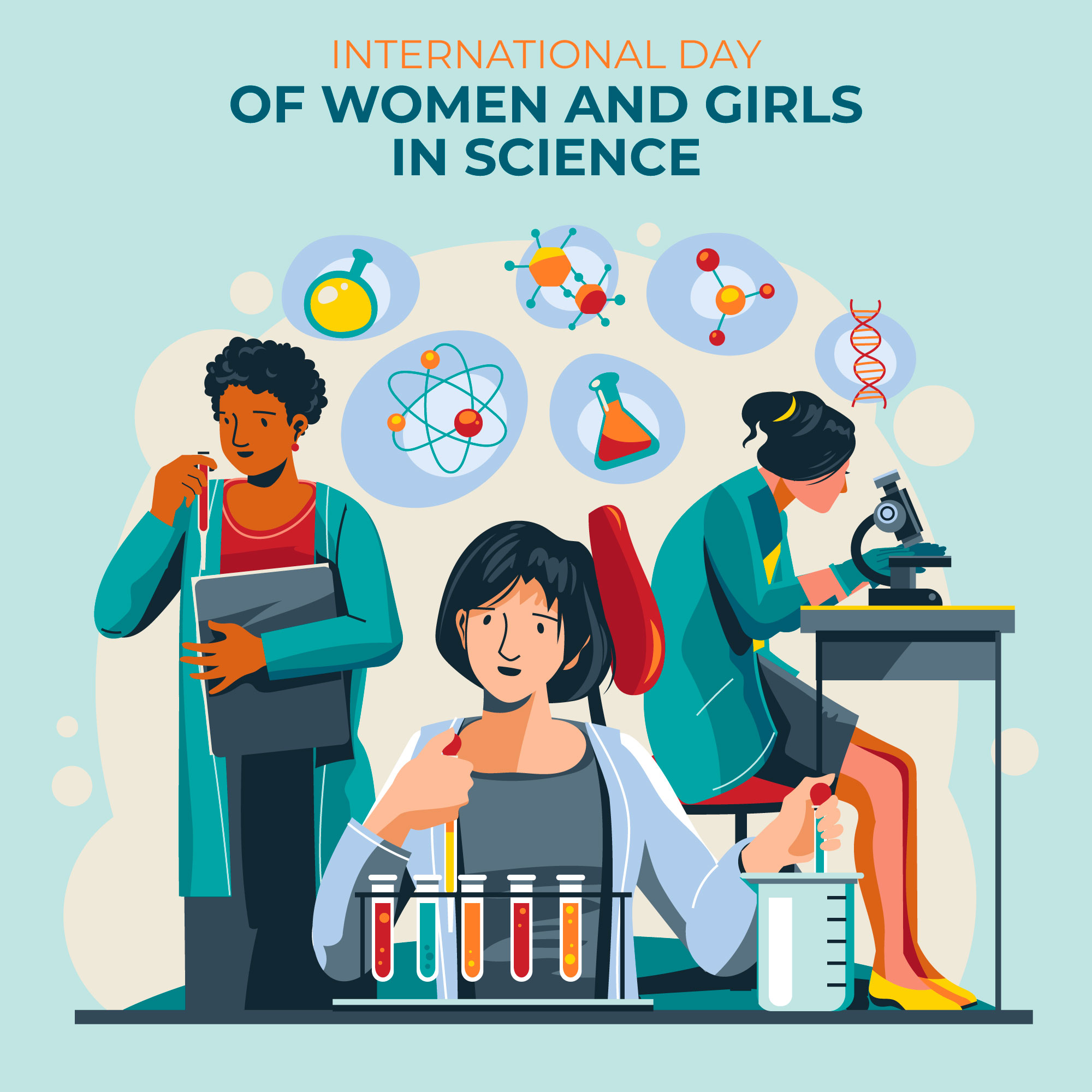
Every year on February 11, the world marks the International Day of Women and Girls in Science, championing gender equality in science, technology, engineering, and mathematics (STEM) and recognising the indispensable contributions of women researchers and innovators. The 2026 theme, “From Vision to Impact: Redefining STEM by Closing the Gender Gap,” highlights proven practices and solutions that foster inclusive, impactful science and innovation ecosystems. This focus on closing gender gaps is essential to achieving the 2030 Sustainable Development Goals, including good health and well‑being.
Maternal health, particularly the prevention and management of postpartum haemorrhage (PPH), stands at the intersection of science, data, and technology. PPH remains the leading direct cause of maternal mortality in Kenya and globally. Evidence shows that strengthening clinical skills, improving early risk identification, and harnessing digital tools all contribute to reduced deaths. Training innovations, informed by both research and frontline needs, are reshaping how health workers prepare for obstetric emergencies.
Prof Moses Obimbo, Project Lead of the End Postpartum Haemorrhage Initiative, underscores the importance of science and women’s leadership in healthcare innovation: “When women and girls are fully included in scientific research and technological innovation, we expand the horizon of what is possible; from predictive risk models to immersive training environments that build confidence and competence in maternal emergency response.”
A key example is the PPH School, a technology‑driven training platform integrating virtual reality (VR) and extended reality (XR) simulations to immerse learners in lifelike clinical scenarios. Health workers rehearse rapid response to PPH and other obstetric emergencies in simulated rural dispensaries, busy county hospitals, and tertiary referral settings. Early evidence from similar VR training platforms shows that immersive simulation improves knowledge retention, clinical confidence, and decision‑making under pressure; particularly where traditional training infrastructure is limited.
Beyond simulation, data science is shaping the future of maternal care. Predictive algorithms and machine learning models are being explored to identify women at high risk of PPH, enabling targeted prevention and resource allocation. Studies in Kenyan populations demonstrate how such models, combined with real‑time clinical data, can stratify PPH risk and inform personalised care plans.
As we celebrate women and girls in science today, the challenge and opportunity are clear. When research, technology, and innovation are inclusive and responsive to women’s lived realities, the impact extends far beyond laboratories, reducing preventable maternal deaths, strengthening health systems, and transforming futures.
Sources
International Day of Women and Girls in Science 2026 theme and concept note, UNESCO.
Postpartum haemorrhage global context and PPH Roadmap insights, PMNCH/WHO.
The adoption of virtual reality technologies for healthcare training, APSDPR research.
PPH prediction using machine learning in Kenyan populations, Frontiers in Global Women’s Health.
<a href="https://www.freepik.com/free-vector/flat-international-day-women-girls-science-illustration_133721593.htm">Image by freepik</a>