
By PPH Foundation
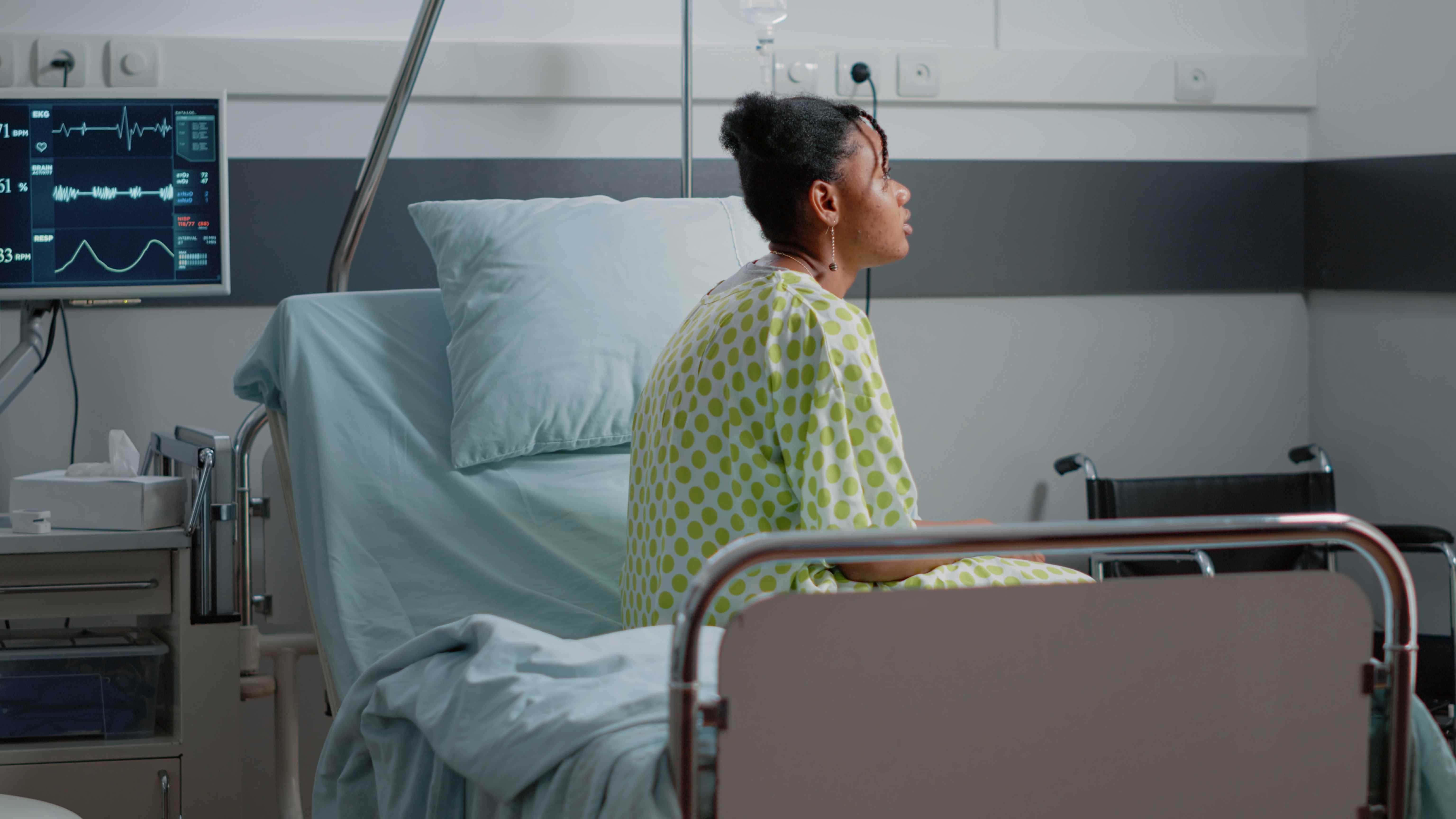
For many women experiencing postpartum haemorrhage, reaching a health facility is not enough to save their lives. The real danger often begins after arrival, when delays in receiving timely and appropriate care, known as the third delay, turn manageable complications into fatal outcomes. In cases of severe bleeding, every minute without intervention increases the risk of death.
The third delay refers to the time lost within the health facility before a woman receives adequate treatment. According to the World Health Organization, this delay is a major contributor to maternal mortality, particularly in low-resource settings where shortages of skilled personnel, essential medicines, blood products, and equipment are common. Studies show that even when women arrive at facilities on time, gaps in readiness and response can significantly reduce survival chances.
Research across sub-Saharan Africa highlights the scale of the problem. A multi-country analysis found that over 60 percent of maternal deaths involved delays within health facilities, including slow diagnosis, lack of immediate intervention, and delayed referrals for advanced care. Similarly, studies published in the BMC Pregnancy and Childbirth indicate that shortages of uterotonics, limited access to blood transfusion, and inadequate emergency preparedness are key drivers of poor outcomes in postpartum haemorrhage cases.
Further evidence shows that health system inefficiencies play a critical role. Delays in administering lifesaving interventions such as oxytocin or tranexamic acid, failure to monitor blood loss accurately, and lack of coordinated response teams all contribute to preventable deaths. Research indexed on PubMed confirms that facilities with trained staff and rapid response protocols have significantly lower maternal mortality rates compared to those without.
Prof Ann Kihara, a gynaecologist and a Co – Lead at the End PPH Initiative, emphasizes the urgency of addressing this gap: “Reaching a facility should mark the beginning of lifesaving care, not another delay. Health systems must be prepared to respond immediately and effectively to postpartum haemorrhage, because every second lost at that point puts a mother’s life at risk.”
Addressing the third delay requires strengthening health systems at multiple levels. This includes ensuring consistent availability of essential medicines, improving blood supply systems, training health workers in emergency obstetric care, and establishing rapid response protocols within facilities. Maternal death audits and continuous quality improvement initiatives also play a critical role in identifying and closing gaps in care.
Ultimately, preventing deaths from postpartum haemorrhage depends not only on getting women to health facilities, but on what happens when they arrive. A prepared, responsive, and well-equipped health system is the final line of defense, and it must not fail.
Sources
World Health Organization. Trends in Maternal Mortality, 2000 to 2020, Estimates by WHO, UNICEF, UNFPA, World Bank Group and UNDESA Population Division. Geneva, World Health Organization, 2023
Knight HE, Self A, Kennedy SH. Why are women dying when they reach hospital on time? A systematic review of the “third delay”. BMC Pregnancy and Childbirth, 2013, 13(1)
Waiswa P, Kallander K, Peterson S, Tomson G, Pariyo GW. Using the three delays model to understand why newborn babies die in eastern Uganda. BMC Pregnancy and Childbirth, 2010, 10(1)
Sheldon WR, Blum J, Vogel JP, Souza JP, Gülmezoglu AM, Winikoff B. Postpartum haemorrhage management, risks, and maternal outcomes. BMC Pregnancy and Childbirth, 2014, 14(1)
Image by DC Studio on Freepik</a>