By The PPH Foundation
Mothers living in humanitarian and rural settings face a higher risk of dying from postpartum haemorrhage, largely because the first lines of care are often too far away, too under-resourced or too overwhelmed to respond in time. In Kenya, the End PPH Initiative, a project of the PPH Foundation in collaboration with the University of Nairobi, the Kenya Obstetrical and Gynecological Society and the Midwives Association of Kenya, has shown that women in arid regions, informal settlements, conflict-prone areas and hard-to-reach villages encounter delays that are far more pronounced than in urban facilities. These delays, known as the three delays, include the delay in recognising danger, the delay in reaching help and the delay in receiving adequate care once at a facility.
Prof Moses Obimbo, the Project Lead at the End PPH Imitative explains that long distances, poor roads, insecurity and lack of emergency transport prevent women from reaching skilled birth attendants quickly. Some families still rely on motorbikes, carts or community volunteers to transport mothers over long stretches, reducing the precious minutes needed to control heavy bleeding. In refugee-hosting counties, mobile populations often lack continuity of care, making it harder to track high-risk pregnancies or ensure timely referrals.
Dr Kireki Omanwa, a Co-Lead at the End PPH Initiative notes that rural and humanitarian health centres frequently operate with limited staff and supplies. Facilities may lack uterotonics, blood products, skilled personnel or lifesaving devices such as uterine balloon tamponade kits. When a mother begins to bleed heavily, the team may recognise the emergency but be unable to provide definitive care, forcing a second referral to a higher-level hospital. These secondary transfers add dangerous delays that can make the difference between life and death.
Prof Ann Kihara, a Co-Lead at the End PPH Initiative adds that cultural norms also influence the speed of seeking care. In some communities, women require permission from relatives to travel for delivery, or they may fear costs associated with referral hospitals. Humanitarian settings bring additional challenges, including overcrowded shelters, limited privacy during childbirth and the emotional toll of displacement, all of which heighten risks during labour.
Despite these barriers, counties participating in the End PPH Initiative, have introduced strategies to close the rural and humanitarian gap. These include community birth preparedness sessions, strengthening linkages between community health promoters and facilities, training rural teams on emergency PPH drills and stocking high-risk centres with rapid-response kits. Some counties are also piloting motorcycle ambulance networks and closer coordination with humanitarian agencies to improve transport.
Experts agree that addressing PPH in these settings requires more than clinical skill. It demands targeted investments, stronger referral systems, community involvement and tailored preparedness plans that recognise the realities of mothers living far from hospitals. With sustained support, the most vulnerable women can still receive timely, lifesaving care.
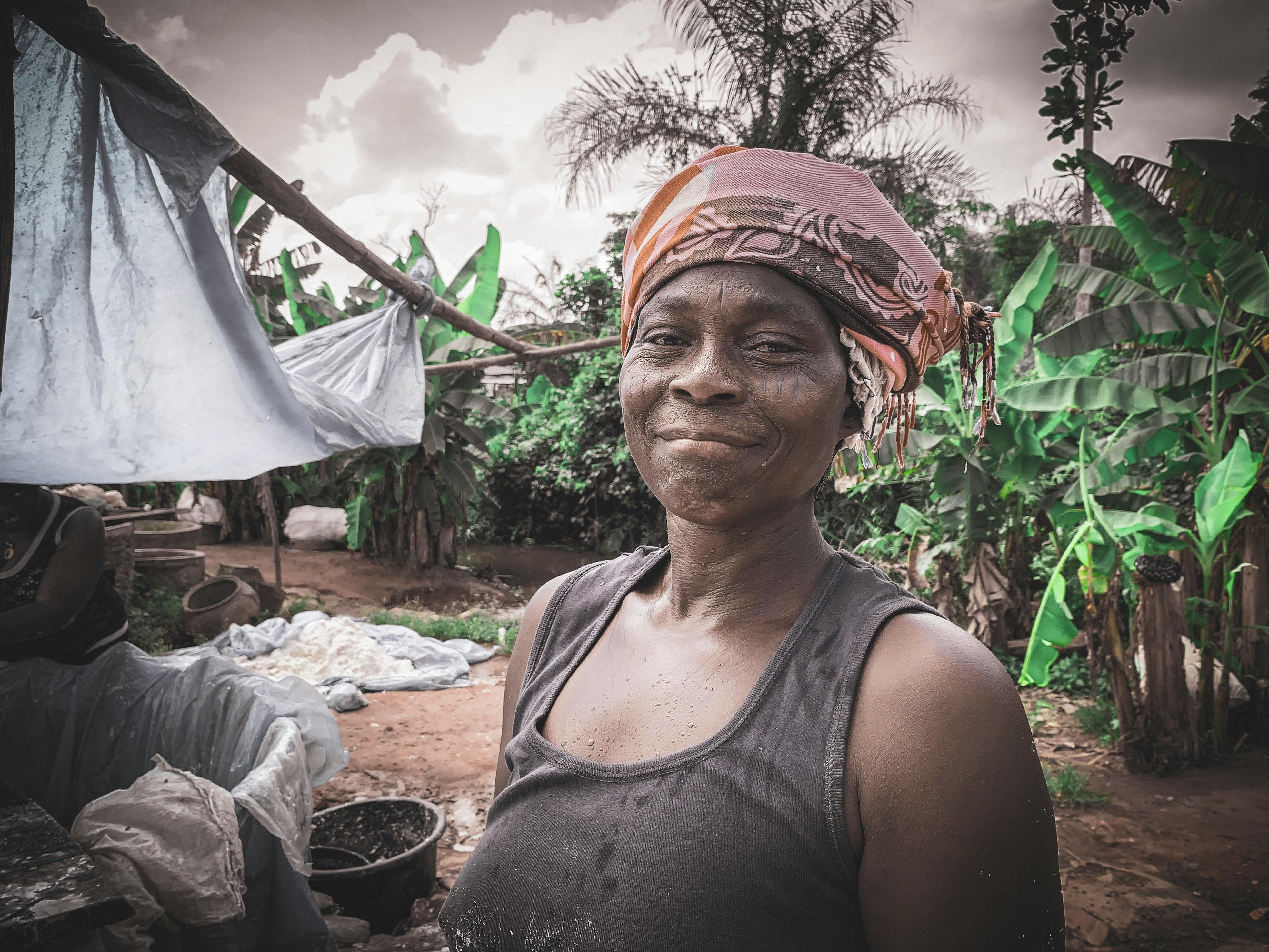
Photo by Tope J. Asokere: https://www.pexels.com/photo/woman-wearing-black-tank-top-3316340/
Sources
WHO PPH Care Pathway 2023
UNFPA Maternal Health in Humanitarian Settings 2024
PPH Foundation reports 2025