By PPH Foundation
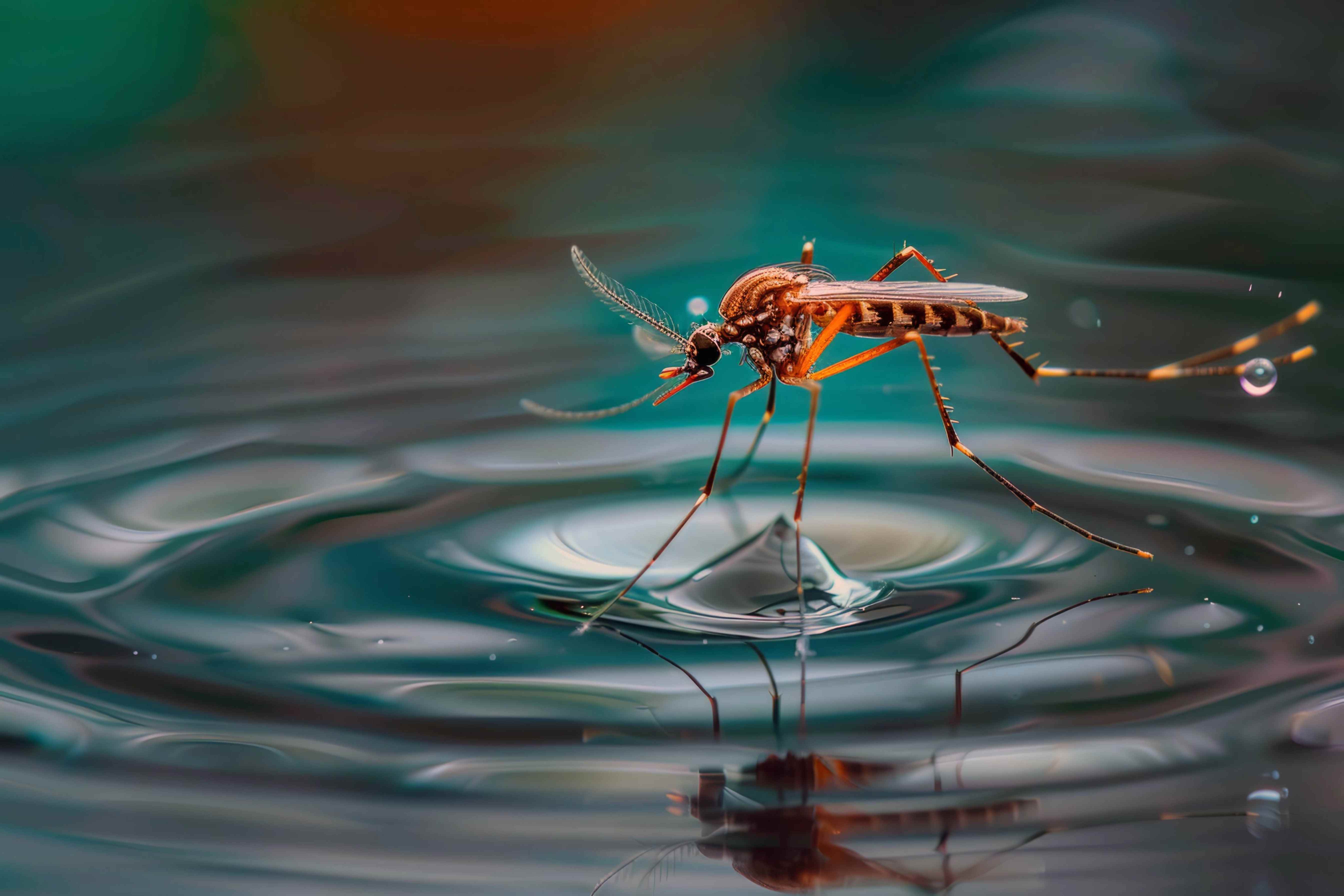
Postpartum haemorrhage, PPH, continues to be a leading cause of maternal mortality in malaria‑endemic regions because seasonal spikes in malaria transmission significantly weaken a woman’s ability to withstand blood loss after childbirth. In sub‑Saharan Africa, including Kenya, malaria infection during pregnancy is common, especially during and immediately after the rainy season when mosquito breeding increases. These infections frequently lead to maternal anaemia, a major risk factor for severe postpartum bleeding. According to the Kenya Malaria Indicator Survey 2020, although preventive measures are integrated into antenatal care, only a minority of pregnant women receive the recommended combination of insecticide‑treated nets and intermittent preventive treatment, leaving women at continued risk of malaria and its complications during pregnancy.
Malaria in pregnancy is not just an infection; it disrupts red blood cells and consumes haemoglobin, leading directly to anaemia. A cross‑sectional study covering multiple high‑risk countries in sub‑Saharan Africa found that nearly four out of every ten pregnant women experience both malaria and anaemia together, a comorbidity that dramatically undermines maternal resilience. Socioeconomic factors such as rural residence, lack of access to bed nets, and lower education were all associated with higher rates of this dangerous combination of malaria infection and low blood haemoglobin levels.
A systematic review and meta‑analysis from sub‑Saharan Africa confirms that placental malaria, where the parasite accumulates in the placenta, significantly increases the odds of maternal anaemia nearly three‑fold. This is critical because anaemic women lose blood more rapidly and recover more slowly than their non‑anaemic counterparts, making them far more vulnerable to the consequences of postpartum haemorrhage.
The World Health Organization has long recognized the severe burden of malaria in pregnancy. WHO estimates that millions of women in Africa become pregnant each year in malaria‑endemic areas, and these infections contribute substantially to maternal and newborn morbidity and mortality, including miscarriage, stillbirth, and low birth weight.
Local research shows the problem is not abstract. In Kenya’s malaria‑endemic regions such as Kisumu, malaria and anaemia are already widespread by the first antenatal visit, with more than two‑thirds of women presenting with anaemia and a significant proportion carrying malaria parasites. These early conditions set the stage for complications later in pregnancy and increase the risk that a bleeding event after childbirth will become life‑threatening because the woman’s haemoglobin reserve is already compromised.
Prof Julius Ogeng’o, Co‑Lead of the End PPH Initiative, highlights the importance of this connection: “Malaria infection during pregnancy strips women of the physiological reserves they need to withstand blood loss. When seasonal malaria peaks coincide with childbirth, the risk of severe postpartum haemorrhage rises sharply. Effective malaria prevention and anaemia control are essential components of any strategy to reduce PPH deaths.”
This connection between seasonal malaria burden and PPH risk makes it clear that environmental health and maternal survival are inseparable. Strengthening antenatal malaria prevention, ensuring widespread use of insecticide‑treated nets, and increasing uptake of intermittent preventive treatment during pregnancy must be priorities. These interventions not only reduce malaria infections and anaemia but also help build maternal resilience, lowering the chance that bleeding after childbirth will prove fatal.
By tackling the environmental burden of malaria during pregnancy, health systems can not only reduce malaria‑related morbidity but also address a root cause of severe postpartum haemorrhage, turning rainy seasons from threats into manageable periods for maternal health.
Sources
Beatrice Mkubwa, Juliana Kagura, Tobias Chirwa, Latifat Ibisomi, Samson Kinyanjui. Determinants of utilization of malaria preventive measures during pregnancy among women aged 15 to 49 years in Kenya: an analysis of the Malaria Indicator Survey 2020. Malaria Journal. 2022.
Malaria‑anemia comorbidity and its determinants among pregnant women in high‑ and moderate‑malaria‑risk countries in Sub‑Saharan Africa. PMC. 2025.
Aklilu Alemayehu, Girum Tesfaye Kiya, Solomon Berhanu, Ahmed Zeynudin, Joseph Beyene, Delenasaw Yewhalaw. Prevalence, predictors and adverse perinatal outcomes of placental malaria in sub‑Saharan Africa: a systematic review and meta‑analysis. Archives of Public Health. 2025.
Lives at Risk: Malaria in pregnancy. World Health Organization Regional Office for Africa. 2003.
Peter Ouma, Anna M van Eijk, Mary J Hamel, Monica Parise, John G Ayisi, Kephas Otieno, Piet A Kager, Laurence Slutsker. Malaria and anaemia among pregnant women at first antenatal clinic visit in Kisumu, western Kenya. Tropical Medicine & International Health. 2007.
Image by freepik</a>