By The PPH Foundation
The first hour after childbirth is the most critical window for preventing death and disability from postpartum haemorrhage, PPH. Most severe bleeding occurs within the first day after delivery, often beginning during or immediately after the third stage of labour. Acting quickly in this hour can determine whether a woman survives or deteriorates, making it the most decisive moment in maternal care.
Health workers highlight three lifesaving priorities in the first hour, measure blood loss accurately, give a uterotonic immediately after birth, and respond rapidly if bleeding begins. Active management of the third stage of labour, including administering oxytocin, controlled cord traction, and uterine massage, greatly reduces the risk of PPH and should be routine in all facilities. When bleeding is detected, the WHO now recommends an updated treatment bundle combining uterotonics, fluid support, and early use of tranexamic acid to stabilise a mother while further interventions are organised.
Accurate measurement is essential. Visual estimation often undercounts blood loss, causing delayed treatment and avoidable deterioration. Updated global guidance urges facilities to use calibrated drapes or collection devices to objectively measure bleeding and trigger emergency action before a woman loses too much blood. Early detection allows teams to intervene before uterine atony, the leading cause of PPH, becomes severe.
Tranexamic acid is another gamechanger when used early. Findings from global trials show that TXA significantly reduces deaths from bleeding when administered within three hours of birth, with the best outcomes when it is given as soon as bleeding begins. Having TXA readily available in maternity wards is now considered a core part of first-hour readiness.
Local leadership also determines outcomes. Prof Moses Obimbo, Project Lead at the PPH Foundation, notes, “The first hour after birth is when teams must act as one, measure, treat and mobilise blood if needed. Prepared teams save mothers.” Facilities that maintain essential medicines, practise drills and assign clear emergency roles respond faster and reduce preventable deaths.
What the first hour should include
• Immediate administration of oxytocin after birth
• Objective blood-loss measurement using calibrated tools
• Early availability and use of tranexamic acid when needed
• Rapid access to fluids, blood and referral systems
• Teams trained and drilled for quick, coordinated response
Protecting the first hour transforms postpartum haemorrhage from a sudden crisis into a manageable emergency. The PPH Foundation continues to prioritise training, supply readiness and community systems to ensure every mother receives full support from the moment she delivers to the crucial minutes that follow.
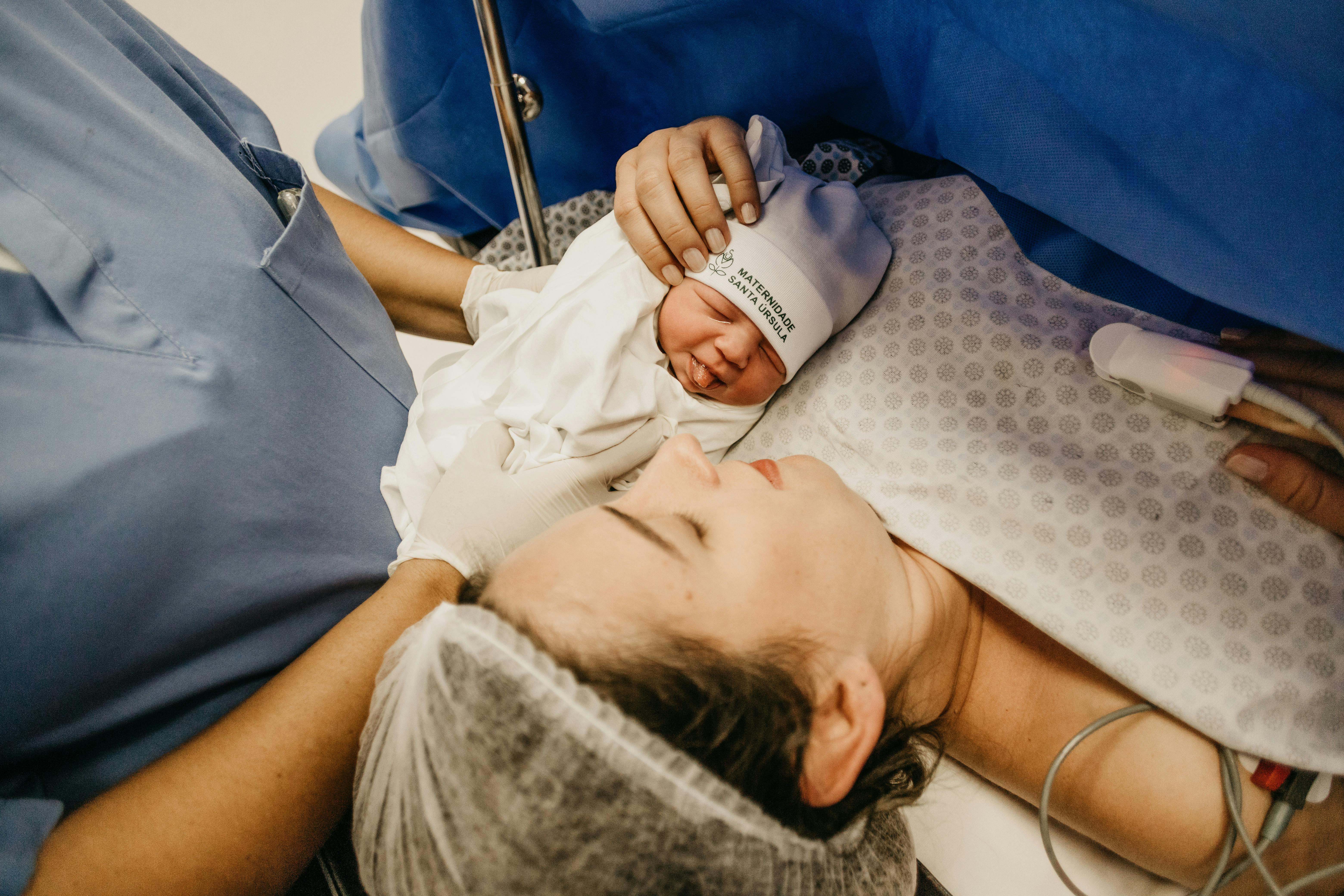
Photo by Jonathan Borba: https://www.pexels.com/photo/baby-beside-woman-3259628/
Sources
World Health Organization, postpartum haemorrhage guidance and PPH roadmap
World Health Organization, recommendations on assessing postpartum blood loss and use of the PPH treatment bundle, 2023
Lancet, findings on early tranexamic acid for postpartum bleeding
Active Management of the Third Stage of Labour, WHO materials
WOMAN trial and additional global evidence on TXA