
By the PPH Foundation
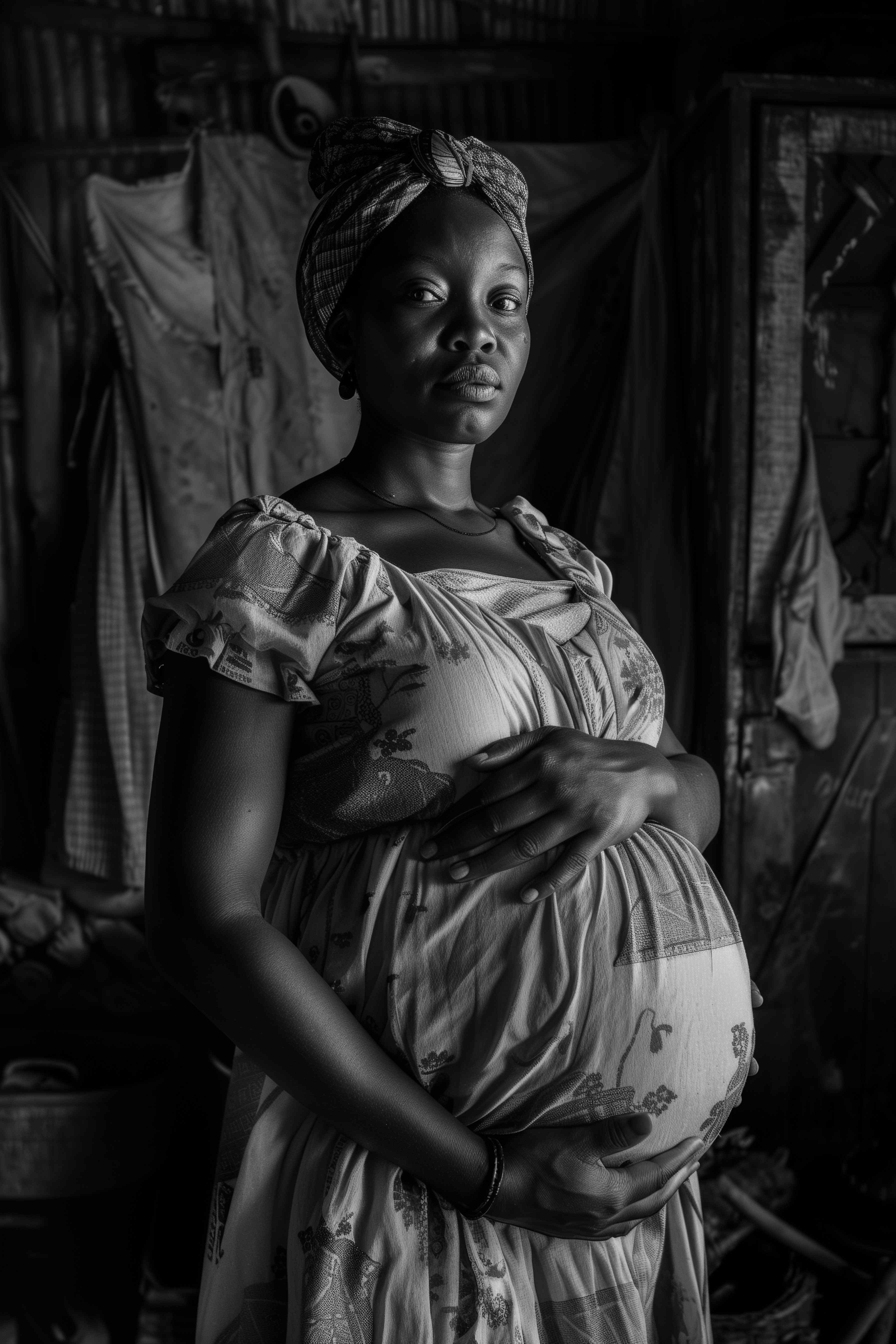
Maternal vulnerability in Kenya is often framed as a rural problem; long distances, poor roads, limited facilities. Yet an emerging and under-examined risk landscape is taking shape much closer to the skyline. In rapidly expanding urban informal settlements, maternal health risks are intensifying in different, and often invisible, ways.
Kenya’s urban population now accounts for more than 30% of the national total and continues to grow rapidly. Cities such as Nairobi, Kisumu, Mombasa, and Nakuru are home to large informal or peri-urban settlements characterized by overcrowding, insecure housing, limited sanitation, and fragmented access to healthcare. While healthcare facilities may be geographically nearby, accessibility is not guaranteed.
In many informal settlements, women rely on small private clinics, informal maternity homes, or unlicensed providers due to affordability, proximity, or familiarity. While some offer quality care, many lack adequate emergency obstetric capacity, blood transfusion capability, or referral systems. When complications such as postpartum haemorrhage (PPH) occur, delays in recognition and referral can be fatal.
Urban poverty introduces a distinct form of delay: financial delay. Even when referral hospitals are within a few kilometers, transport costs, consultation fees, and diagnostic charges create barriers that slow decision-making. In emergencies, minutes matter. Overcrowding further compounds risk. High population density strains public facilities serving informal settlements, leading to staff shortages, long queues, and overburdened maternity wards. Women may be discharged early, reducing postnatal monitoring during the critical first 24 hours when haemorrhage risk remains high.
Data from demographic surveys consistently show that while urban areas report higher skilled birth attendance rates than rural areas overall, intra-urban disparities are significant. Women in informal settlements often experience maternal outcomes closer to, or worse than, rural averages, despite living in cities.
Rapid urbanization is reshaping maternal health risk patterns in several key ways:
• Increased reliance on informal or low-capacity providers
• Overstretched referral hospitals
• Financial barriers despite geographic proximity
• Fragmented continuity of care
• Inadequate emergency transport systems within dense settlements
Urban governance plays a central role. Health planning often focuses on expanding infrastructure in underserved rural counties, while informal settlements fall into administrative gray zones; underserved yet densely populated. Regulatory oversight of private maternity homes may be inconsistent, and emergency transport systems are rarely designed for narrow, congested settlement roads.
Dr Kireki Omanwa, President of the Kenya Obstetrical and Gynaecological Society and Co-Lead at the End PPH Initiative, emphasizes the urgency: “Maternal risk in urban informal settlements is real and often invisible. Proximity to hospitals does not guarantee safety. Women here face a complex mix of financial, infrastructural, and system-level barriers that can turn minor complications into life-threatening emergencies. Urban maternal health strategies must account for these hidden vulnerabilities if we are to prevent unnecessary deaths.”
Strengthening maternal outcomes in these settings requires:
• Mapping and regulating informal maternity providers
• Strengthening referral linkages between private clinics and public hospitals
• Expanding emergency transport networks within informal settlements
• Improving blood and emergency readiness at high-volume urban facilities
• Integrating maternal health into urban planning frameworks
As Kenya urbanizes, maternal health strategy must evolve. The assumption that “urban equals better access” no longer holds uniformly true. Vulnerability has moved; and policy must follow it. Maternal survival in the next decade will depend not only on reaching remote villages, but also on safeguarding mothers in the heart of our cities.
Sources
- Kenya National Bureau of Statistics (KNBS) and ICF. Kenya Demographic and Health Survey 2022.
- World Health Organization. Maternal and Perinatal Death Surveillance and Response (MPDSR): Operational Guidance, WHO, 2023. who.int
- United Nations Human Settlements Programme (UN-Habitat). The State of Kenya’s Urbanization 2022.
- PMNCH. The Hidden Toll of Maternal Mortality in Kenya, 2025. pmnch.who.int
- Measure Evaluation. Strengthening Maternal and Perinatal Death Surveillance in Kenya, 2017. measureevaluation.org
- Guttmacher Institute. Severe Maternal Outcomes and Obstetric Care in Kenya, 2024. guttmacher.org
- <a href="https://www.freepik.com/free-ai-image/juneteenth-celebration-with-symbolic-representation-end-slavery-united-states_171512755.htm">Image by freepik</a>