
By The PPH Foundation
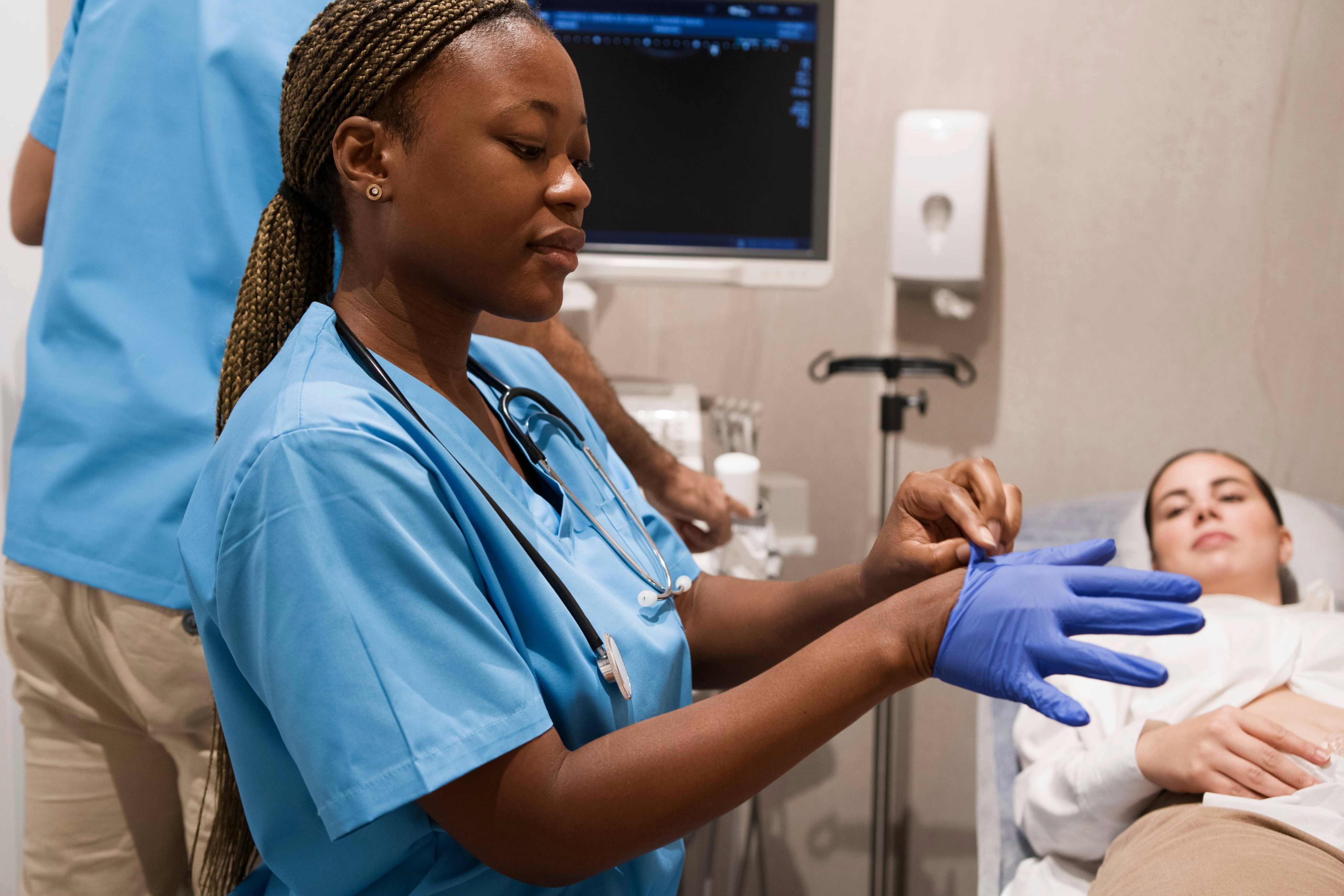
Postpartum haemorrhage (PPH) remains one of the leading causes of maternal deaths worldwide, despite being largely preventable. Across maternity wards in Kenya and similar settings, women health workers, particularly midwives, nurses, and obstetricians, are at the forefront of translating scientific evidence into lifesaving action.
Prof Ann Beatrice Kihara, Co-Lead of the End Postpartum Haemorrhage Initiative, notes that frontline maternal care is grounded in applied science. From early risk assessment to rapid response protocols, women health workers rely on data, clinical guidelines, and continuous monitoring to prevent deaths. “PPH prevention depends on systems that allow early detection and immediate intervention. When these systems function, outcomes improve dramatically,” she explains.
Dr Eunice Atsali, a maternal health specialist involved in PPH prevention efforts, emphasizes the role of midwives and nurses in identifying danger signs during and after childbirth. Accurate measurement of blood loss, use of early warning tools, and adherence to first-response bundles enable timely administration of uterotonics and tranexamic acid, interventions proven to reduce severe outcomes. “The first minutes after delivery are critical. What a health worker does in that window can mean the difference between life and death,” she says.
Beyond clinical care, women health workers also contribute to research and policy development. By documenting blood loss, response times, and outcomes, they generate real-world data that informs national guidelines and quality improvement initiatives. Their participation in studies such as early detection and treatment bundles ensures that research reflects the realities of busy maternity wards.
The frontline fight against PPH demonstrates that science is not confined to laboratories or academic institutions. It is practised daily by women health workers who combine clinical expertise, vigilance, and compassion to save lives. Their work highlights the critical role of women in advancing maternal health science and ensuring that preventable causes of death, such as postpartum haemorrhage, are addressed where it matters most, at the point of care.
Sources
World Health Organization, Postpartum haemorrhage and maternal mortality
E-MOTIVE Trial, Early detection and treatment of postpartum haemorrhage
WOMAN Trial, Tranexamic acid for postpartum haemorrhage, London School of Hygiene and Tropical Medicine
International Confederation of Midwives, Midwives’ role in PPH prevention and management
<a href="https://www.freepik.com/free-photo/nurse-her-work-clinic-wearing-scrubs-gloves_33454833.htm">Image by freepik</a>